Decor
How to Hang a Painting: A Guide to Height, Screws, and Different Wall Types
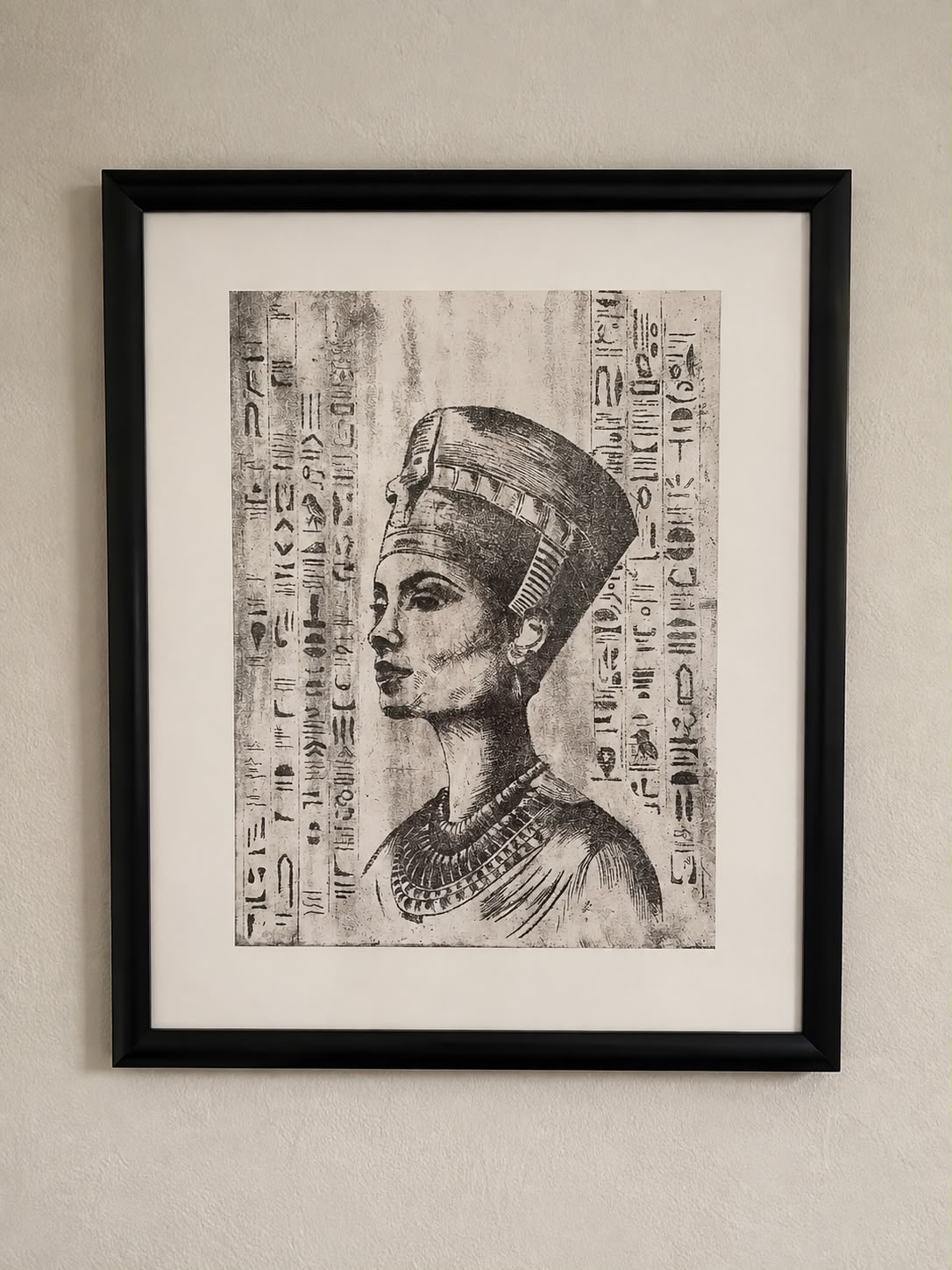
How to Hang a Painting: A Quick Guide Hanging a painting correctly helps both the artwork look its best and ensures that it is displayed safely. As a general guideline, the center of the painting should be 145–155 cm above the floor. When hanging a painting above a sofa or console, leaving around 15–30 cm of space between the furniture and the artwork usually creates a balanced look. For multiple paintings, a distance of 5–10 cm between artworks can help create a cohesive arrangement. When choosing screws and wall plugs, consider the type of wall as well as the weight of the artwork. Large and heavy pieces should be mounted with a secure hanging system and, when possible, two hanging points. It is also best to keep artwork away from direct sunlight and strong heat sources to help preserve it over time.
How to Hang a Painting: A Guide to Height, Screws, and Different Wall Types
You’ve bought a new painting and now it’s time to hang it on the wall. But where exactly should you place it? How high should it be from the floor? How much space should you leave between the painting and a sofa? And then there’s the question of screws and wall plugs…
Hanging a painting may seem quite simple at first, but paying attention to a few measurements and details can make a big difference in how balanced the artwork looks on the wall.
In this guide, we’ll cover some practical tips that will help you hang your paintings properly. And don’t worry—you don’t need to be an interior designer to put them into practice.
How High Should a Painting Be Hung?
One of the most common questions when hanging artwork is how high it should be placed.
As a general guideline, the center of the painting should be approximately 145–155 cm above the floor. This is because it places the artwork roughly at average eye level.
However, don’t think of this measurement as a strict rule. The height of your furniture, the height of the ceiling, and the size of the artwork can all affect the ideal position.
For example, if you are hanging a very large painting on a relatively small wall, placing the center of the artwork slightly lower may create a more balanced look.
The most important thing is to position the painting according to the space, rather than simply according to the ceiling.
How High Should a Painting Be Hung Above a Sofa?
One of the most common ways to display artwork in a living room is to hang it above a sofa or couch.
In this case, the painting should be visually connected to the furniture rather than being placed too close to the ceiling.
As a general guideline, leaving around 15–30 cm of space between the top of the sofa and the bottom edge of the painting works well.
If you hang the painting too high, there may be too much empty space between the sofa and the artwork, making the painting feel disconnected from the furniture. If you hang it too low, the arrangement can feel cramped.
The width of the painting is also important. For example, instead of placing a very small 50 cm-wide painting above a 200 cm-wide sofa, you could choose a larger artwork or create a composition using several smaller paintings.
As a general rule, the total width of the painting—or group of paintings—can be around 60–75% of the width of the furniture underneath it.
Which Screws and Wall Plugs Should You Use for a Heavy Painting?
There isn’t one single correct answer to this question. The choice of screw and wall plug depends primarily on the type of wall, rather than simply the weight of the painting.
Concrete, brick, and drywall have different load-bearing capacities. Therefore, using the same wall plug for every type of wall is not always safe.
Concrete Walls
Concrete walls can provide a very strong mounting surface when the appropriate wall plugs and screws are used. For heavy paintings, make sure the fixing system you choose is suitable for the weight of the artwork.
Brick Walls
The appropriate wall plug depends on the type and structure of the brick. It is also important to be careful when drilling so that you do not damage the wall unnecessarily.
Drywall
Drywall requires a little more attention. Simply inserting a standard wall plug into drywall may not be sufficient, especially for a heavy painting.
For lightweight artwork, suitable drywall anchors can be used. For heavier pieces, it is safer to mount the artwork directly into a wall stud where possible, or use anchors specifically designed for heavier loads.
If the artwork is valuable, particularly if it is large or heavy, it is better to use an appropriate mounting system rather than relying on a random screw and hoping for the best.
Can I Hang a Painting With a Single Nail?
A single hanging point may be enough for a small, lightweight painting. However, as the size of the artwork increases, so does its weight.
For larger canvases, using two hanging points can help keep the artwork more stable. This prevents the painting from rotating or shifting to one side and helps it sit more securely on the wall.
You should also check the hanging hardware on the back of the artwork. Sometimes the problem isn’t the screw or wall plug—it’s an inadequate hanging system attached to the artwork itself.
How Should Multiple Paintings Be Hung Side by Side?
Gallery walls can look fantastic, but creating one for the first time can feel a little intimidating.
The easiest approach is to avoid drilling into the wall immediately.
Start by placing the paintings on the floor and experimenting with different arrangements. You can place them side by side, stack them vertically, or create a more relaxed gallery-style composition.
Try not to leave too much space between the artworks. Around 5–10 cm between paintings can be a good starting point.
Before hanging anything, you can also use paper templates or masking tape to mark the approximate size and position of each artwork on the wall. This makes it much easier to visualize the final arrangement and saves you from drilling unnecessary holes.
How Do You Hang a Large Painting?
If you are hanging a large painting, it is best to have someone help you rather than trying to do it alone.
First, find out approximately how much the artwork weighs and make sure the hanging hardware on the back is strong enough to support it.
Then:
Determine what type of wall you have. Choose the appropriate wall plugs and screws. Measure and mark the hanging points. Double-check your measurements before drilling. Once the painting is mounted, make sure it is level.
For particularly large or heavy artworks, it is better to use a secure mounting system rather than assuming that a single nail will be enough.
Common Mistakes When Hanging Artwork
Sometimes a painting looks great on its own but doesn’t quite work once it is placed on the wall. In many cases, the problem isn’t the artwork itself—it’s the placement.
Here are some of the most common mistakes:
Hanging the painting too high: Especially in living rooms, placing artwork too close to the ceiling can make it feel disconnected from the furniture.
Leaving too much space between the painting and furniture: When artwork is displayed above a sofa or console, excessive empty space can make the overall composition feel disconnected.
Choosing a painting that is too small for the furniture: Placing a very small painting in the middle of a large wall can reduce its visual impact.
Ignoring the type of wall: Using an unsuitable wall plug can eventually cause the painting to fall.
Drilling before measuring: This is particularly important when hanging several paintings. Planning the arrangement first can save you from unnecessary holes and adjustments.
Pay Attention to Sunlight When Choosing Where to Hang a Painting
When deciding where to hang a painting, don’t think only about aesthetics.
Original artworks that are exposed to direct sunlight for long periods can experience color changes over time. For this reason, it is generally better to avoid placing artwork on a wall that receives strong, direct sunlight throughout the day.
It is also best to avoid hanging paintings directly above radiators, stoves, or other strong heat sources.
Proper display is just as important as cleaning and protecting your artwork. For more information, you can also read our guide on Oil Painting Care: Cleaning, Displaying, and Storing Your Artwork.
A Simple Method for Hanging a Painting
If you’re unsure about the measurements, try this simple method:
First, decide where you would like the painting to sit on the wall. Then measure the artwork and use masking tape to mark its approximate dimensions on the wall.
Take a few steps back and look at it.
Sometimes the distance that seems perfect when you measure it with a tape measure doesn’t look quite right once you see it from across the room. That’s why combining measuring + stepping back and looking can make such a difference.
Once you’re happy with the placement, mark the hanging points and install the appropriate wall plugs and screws.
Frequently Asked Questions How high should a painting be hung from the floor?
As a general guideline, the center of the painting can be positioned approximately 145–155 cm above the floor. However, this can vary depending on the size of the artwork and the furniture around it.
How much space should there be between a painting and a sofa?
Leaving approximately 15–30 cm between the top of the sofa and the bottom edge of the painting is a good starting point. The ideal distance may vary depending on the size of the artwork and the room.
How do you hang a heavy painting?
For heavy paintings, use screws and wall plugs that are suitable for both the weight of the artwork and the type of wall. For larger pieces, two separate hanging points may provide better stability.
Is it safe to hang a painting with a single nail?
For small and lightweight artworks, a single hanging point may be sufficient when the appropriate hardware is used. Larger and heavier artworks should generally be mounted using a more secure system.
How much space should you leave between two paintings?
Leaving around 5–10 cm between paintings is usually a good starting point for creating a balanced arrangement. However, the ideal spacing depends on the size of the artworks and the overall composition.
Conclusion
Hanging a painting beautifully isn’t just about choosing the right artwork. The right height, proportion, and mounting system can significantly change the way an artwork looks and feels in a space.
Taking a few minutes to measure before drilling, trying different positions, and choosing a mounting system suitable for your wall can make the entire process much easier.
After all, the goal isn’t simply to hang a painting on the wall. It is to display the artwork safely, comfortably, and in harmony with the space around it.