Decor
How to Fill an Empty Wall: Six Approaches, from One Piece to a Gallery Wall
Hanging a picture is not the only way to fill an empty wall. Six approaches, from one large piece to a gallery wall, with the criteria for choosing between them.
Updated:
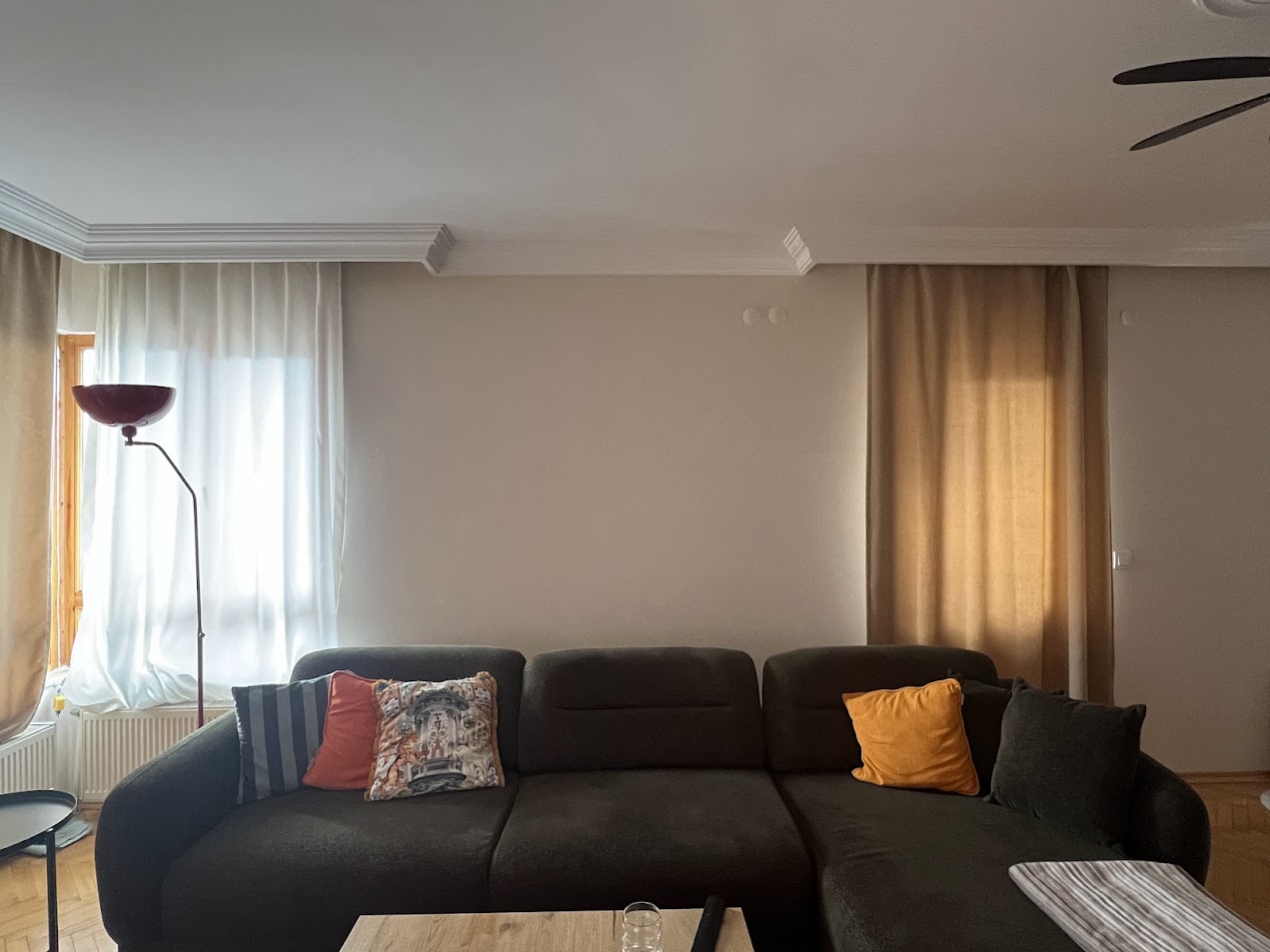
An empty wall is one of the harder decisions in a home. The wrong choice is expensive; the right one pulls a room together in a single move. The usual advice is "hang a picture", but that is only one answer to the question. This article sets out six approaches and which wall each one suits.
One thing up front: the most common mistake is hanging something too small. A modest piece chosen to keep costs down looks even more stranded on a large wall, and emphasises the emptiness rather than filling it.
Read the wall first#
Before deciding, look at three things:
- The width and height of the wall. Its proportion determines the proportion of what you hang
- The furniture in front of it. A sofa, console or bed means the piece will read as part of that group
- The light. A wall in direct sun all day will fade colours over time
Once those three are settled, which of the approaches below fits usually becomes obvious.
1. One large piece#
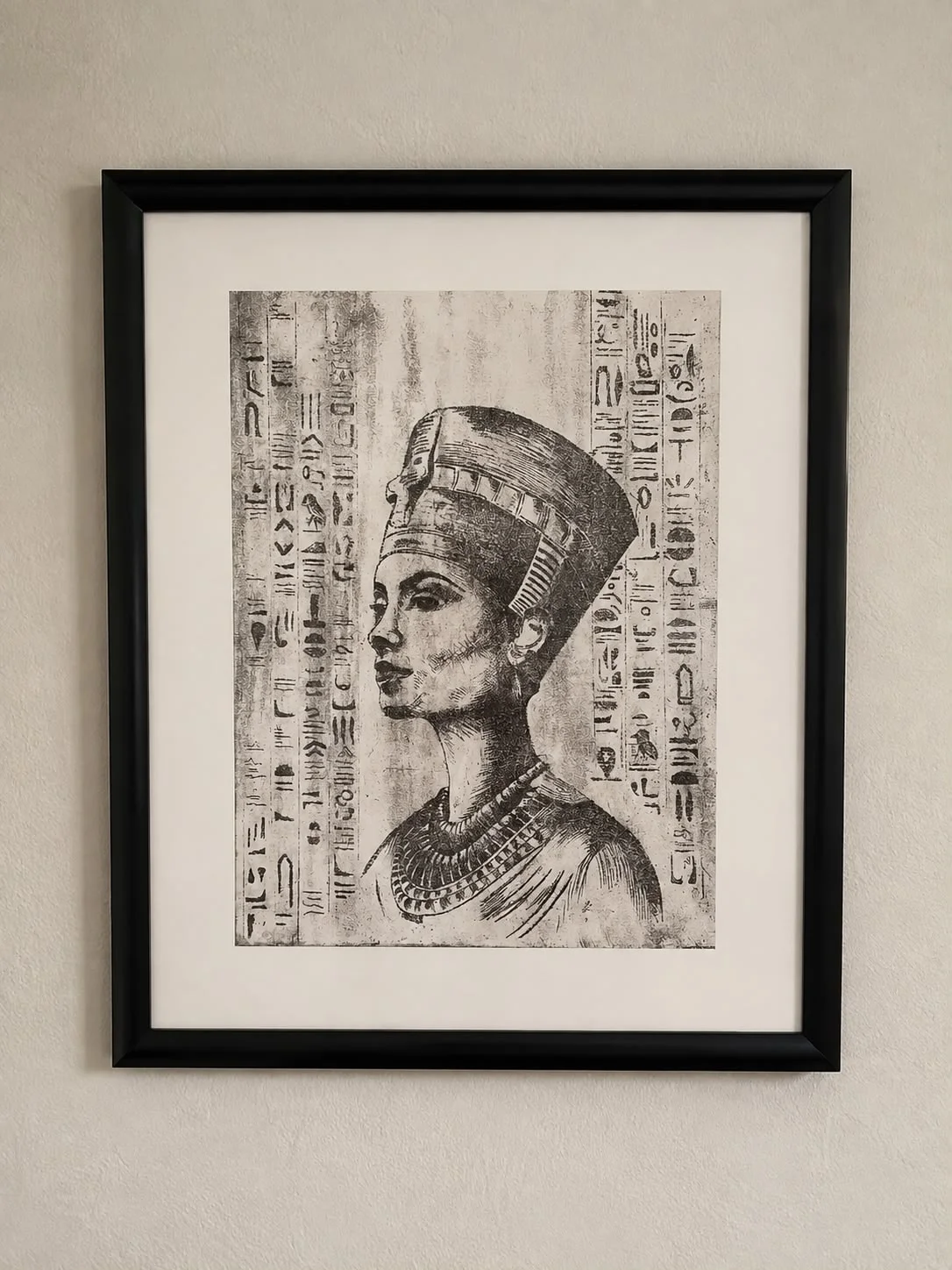
The strongest and least risky option: a single work, as large as the wall allows.
A rule for size: the piece should be roughly two thirds the width of the furniture beneath it. A 60 cm picture above a three-metre sofa only makes the sofa look longer.
This works very well in restrained rooms and with modern furniture. It has a practical advantage too: one decision, done in one go.
2. A pair or a set of three#
Two or three works of equal size hung side by side, with an equal, narrow gap between them, usually 5 to 10 cm.
The arrangement reads as one wide piece but with more rhythm. It works well on long narrow walls, in hallways and above beds.
An important detail: all three must belong to the same family. Same artist, same technique or same palette. Three unrelated works side by side read as clutter, not as a set.
3. A gallery wall#
Many works of different sizes composed together. The hardest and the most personal.
A few rules:
- Lay it out on the floor first. Test the composition on the ground before any nail goes in
- Choose one alignment axis. Either all top edges or all centre lines line up
- Keep the gaps equal. Varying gaps look accidental
- Put the largest piece at the centre, or slightly off it
A gallery wall can grow over time, you do not have to finish it at once. The best ones are usually those added to over years.
4. A textured surface: a hanging rug or panel#
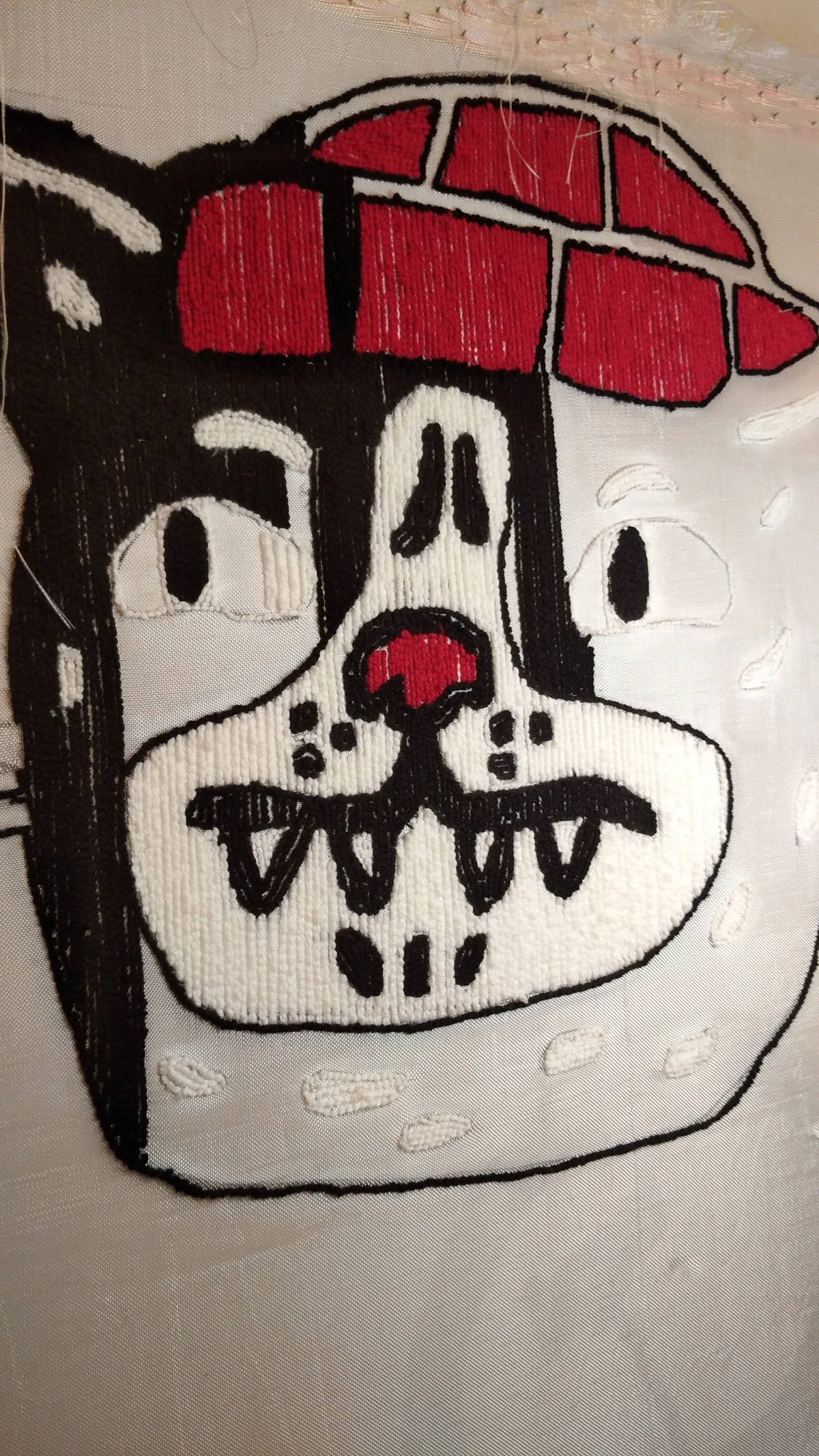
The least considered way to fill a wall, and one of the most effective. Instead of a framed print, a textured surface, a tufted wall panel, a weaving, a handmade textile.
Why it works:
- Texture absorbs light. Glass and frames reflect; a textured surface softens a room
- It improves acoustics. In rooms with high ceilings and hard floors it visibly reduces echo
- It adds warmth. Textile gives a sense of home no print can
In rooms that are very glazed, very white and a little cold, a single textured panel restores the balance. We also compared tufting and painting directly.
5. Asymmetric placement#
You are not obliged to fill the whole wall. Shifting the piece off centre and placing a plant, a lamp or a shelf beside it is also a composition.
This approach turns leaving part of the wall empty into a deliberate choice. On small rooms and narrow walls it sits more comfortably than one large work.
One condition: the empty part must genuinely stay empty. A half-finished asymmetry reads as indecision.
6. Start from the floor#
Some walls are not a wall problem at all. If the centre of gravity of the room is wrong, nothing you hang will settle.
In that case, look at the floor first. A correctly sized rug defines the seating area, and the wall finds its place on its own. Choosing what to hang then becomes far easier, because the rug now sets the palette.
What size, what height#
Two numbers are enough:
- The centre of the piece should sit about 145-150 cm from the floor. That is average eye level
- If it hangs above furniture, keep the bottom edge 20-25 cm above that furniture
These two rules work in almost every situation. Our sizing guide continues with the numbers in more detail.
Where to start#
The practical move is to photograph the wall. Include the furniture in the frame; the piece will live within that group, not alone.
The gallery holds both tufted and painted work, with dimensions and prices on each piece's page. If the size or palette you need is not there, we can plan something for your wall through the custom order page, a photo of the space is all we need to begin.
Frequently Asked Questions
At what height should a picture be hung?
The centre of the piece should sit about 145-150 cm from the floor, which is average eye level. If it hangs above furniture, keep the bottom edge 20-25 cm above that furniture.
What size piece goes above a sofa?
The general rule is roughly two thirds the width of the furniture beneath it. A 60 cm picture above a three-metre sofa only makes the sofa look longer.
What should I watch for when building a gallery wall?
Lay the composition out on the floor before any nail goes in, choose one alignment axis (top edges or centre lines), keep the gaps equal, and place the largest piece at or just off the centre.
Does hanging a rug on a wall make sense?
In rooms that are heavily glazed, hard-floored and a little cold, very much so. A textured surface absorbs light, reduces echo and adds a warmth no framed print can provide.
What is the most common mistake on an empty wall?
Hanging something too small. A modest piece chosen to save money looks more stranded on a large wall and emphasises the emptiness. The same budget spent on a simpler, larger work usually gives a better result.