Decor
How to Decorate a Wall: 10 Practical Ways
From one large piece to a gallery wall, wall rugs and texture: ten ways to build a wall with art, and how to decide between them.
Walls are sometimes one of the largest yet most overlooked areas in a room. We choose the furniture, arrange the rugs, think about the lighting, and then, when it comes to the walls, we find ourselves asking, “What should I put here?”
But an empty wall can actually be a great opportunity to transform the character of a space.
A painting, a few small prints, a handmade wall hanging, or a gallery wall combining different textures… With a few simple touches, you can create a completely different atmosphere.
So, where should you start when decorating your walls?#
1. Consider the Size of the Wall#
One of the most common mistakes in wall decoration is choosing artwork without considering the size of the wall.
A very small painting can easily get lost on a large, empty wall. On the other hand, placing a very large or visually busy composition on a small wall can make the space feel crowded.
Before decorating, measuring the wall is a good place to start.
For larger walls, you can use one large artwork or create a more dynamic composition by combining several smaller pieces.
2. Use One Large Statement Piece#
Sometimes you don't need dozens of pieces to decorate a wall.
A large painting or handmade wall hanging can completely transform the atmosphere of a room on its own.
Especially in a room with simple furniture, a colorful and textured artwork can create a strong focal point.
The key is to choose a piece that is large enough to stand out without overwhelming the space.
3. Create a Gallery Wall#
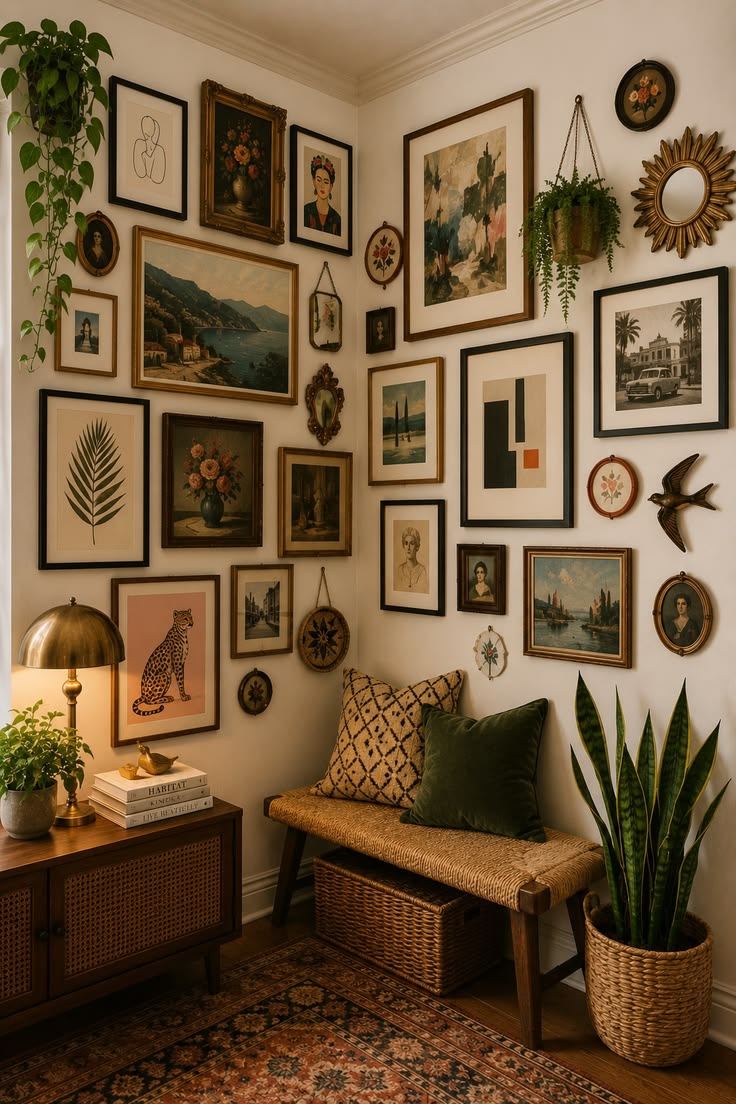
If you want to display several artworks together, a gallery wall can be a great option.
And remember, you don't have to make everything match.
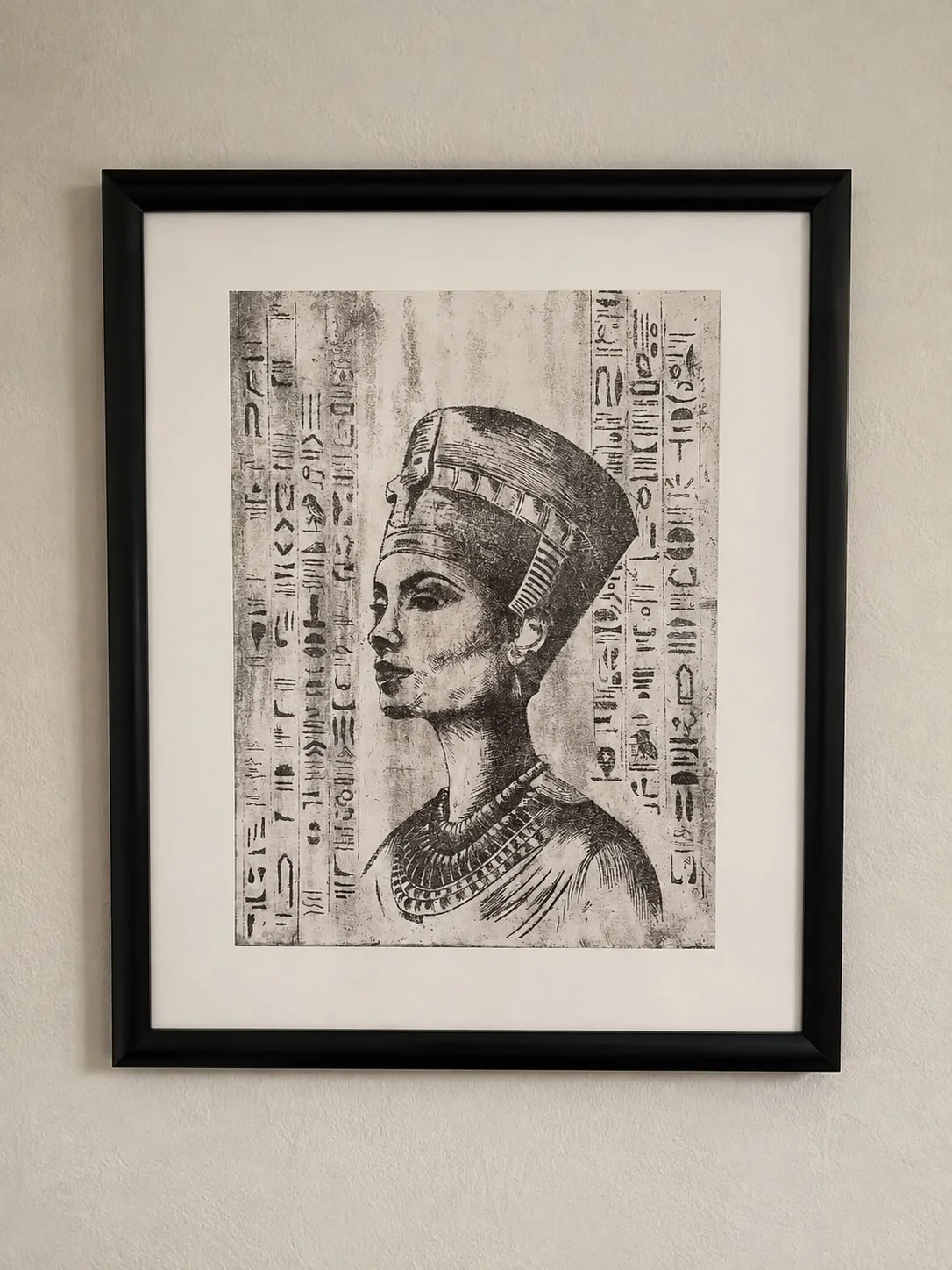
You can combine paintings, prints, photographs, or small textile artworks in different sizes.
For a more organized look, arrange the pieces along the same lines. For a more relaxed feel, experiment with different heights and arrangements.
Before putting holes in the wall, try arranging the artworks on the floor first. It can make planning the final composition much easier.
4. Use Color in Your Wall Decor#
Wall decoration isn't just about filling an empty space. Color can also completely change the atmosphere of a room.
In a room dominated by neutral tones, a colorful artwork can create an eye-catching focal point.
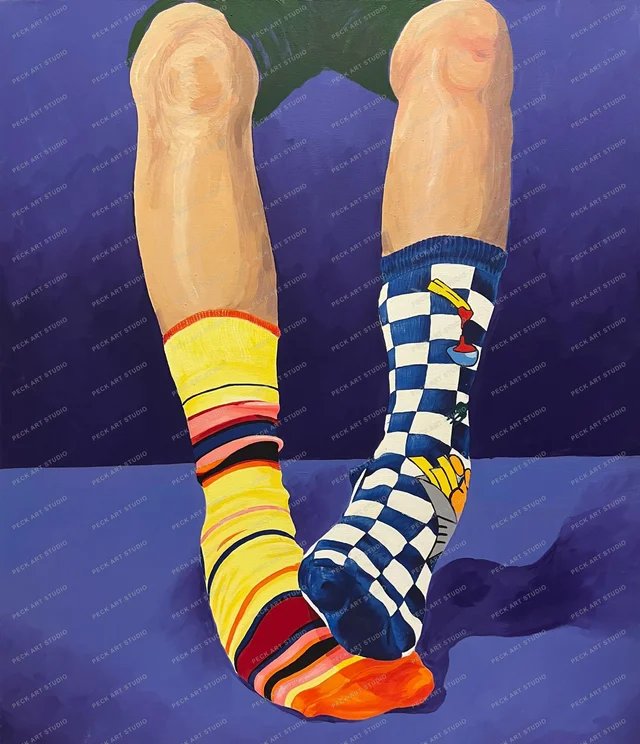
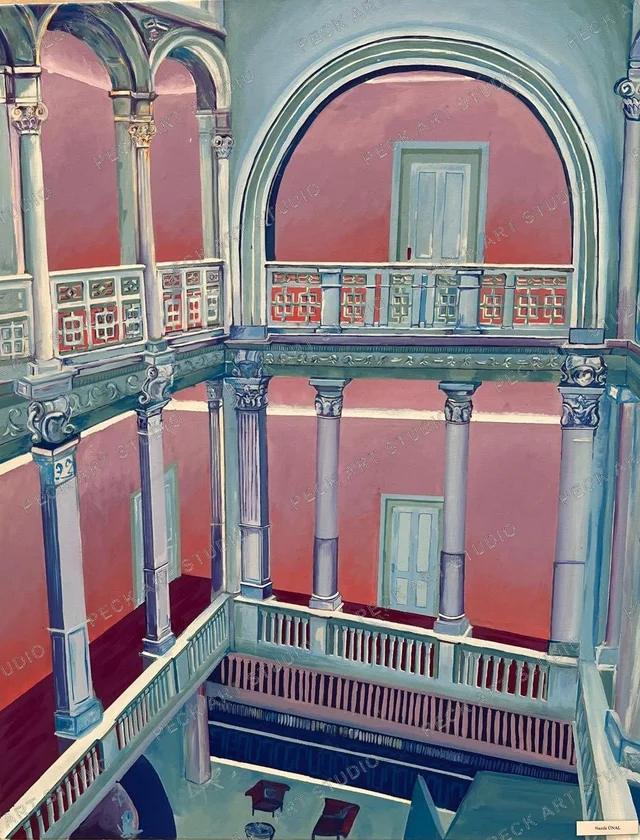
Strong colors such as blue, pink, orange, or yellow can add energy to a simple interior.
You don't have to make every color match perfectly. Sometimes repeating just one small color detail from the room in your artwork can create a much more cohesive look.
5. Try Wall Hangings and Textile Art#
When we think about wall decoration, paintings are usually the first thing that comes to mind. But they're certainly not the only option.
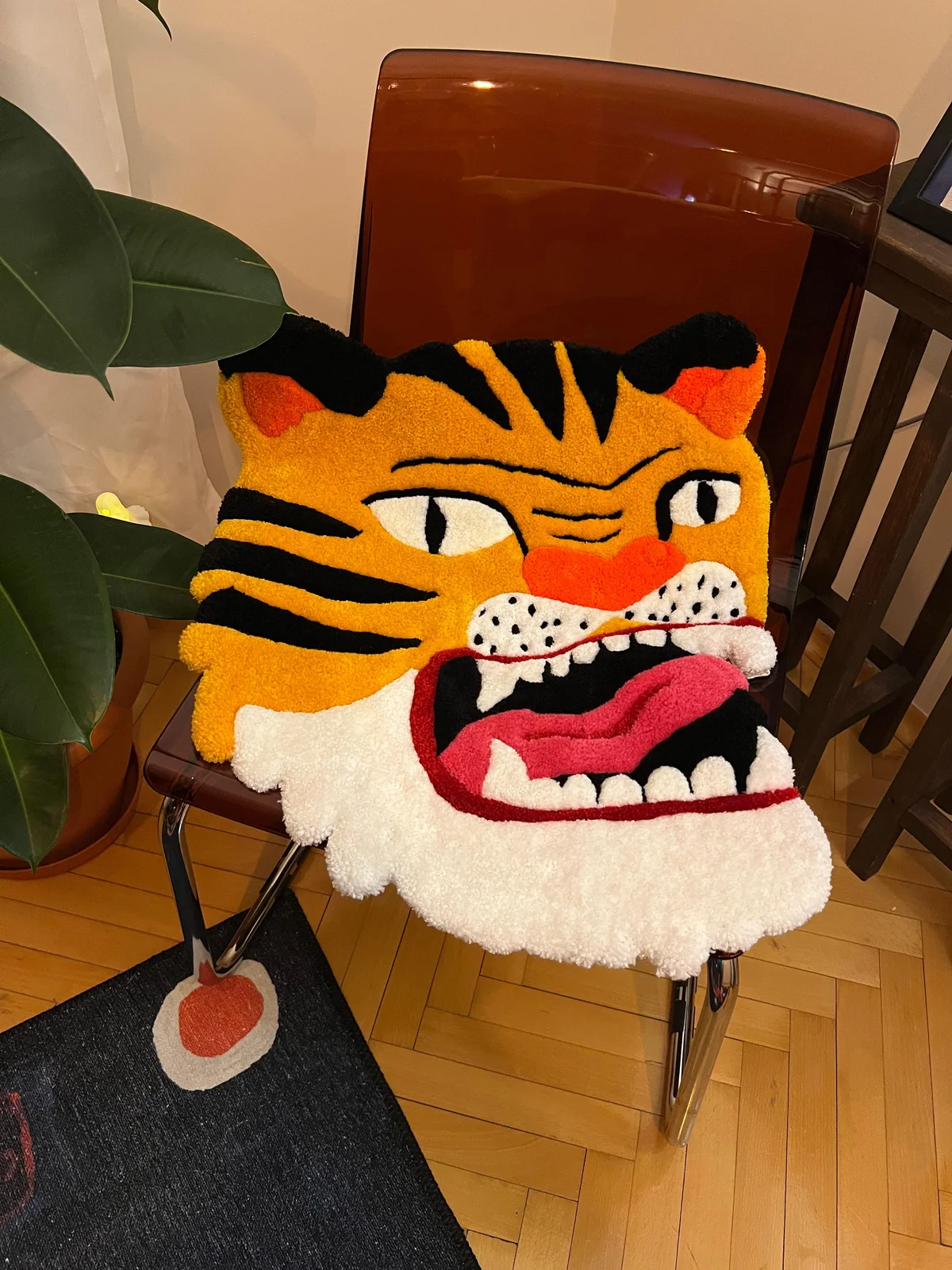
Tufted wall hangings are another way to bring both color and texture into a space.
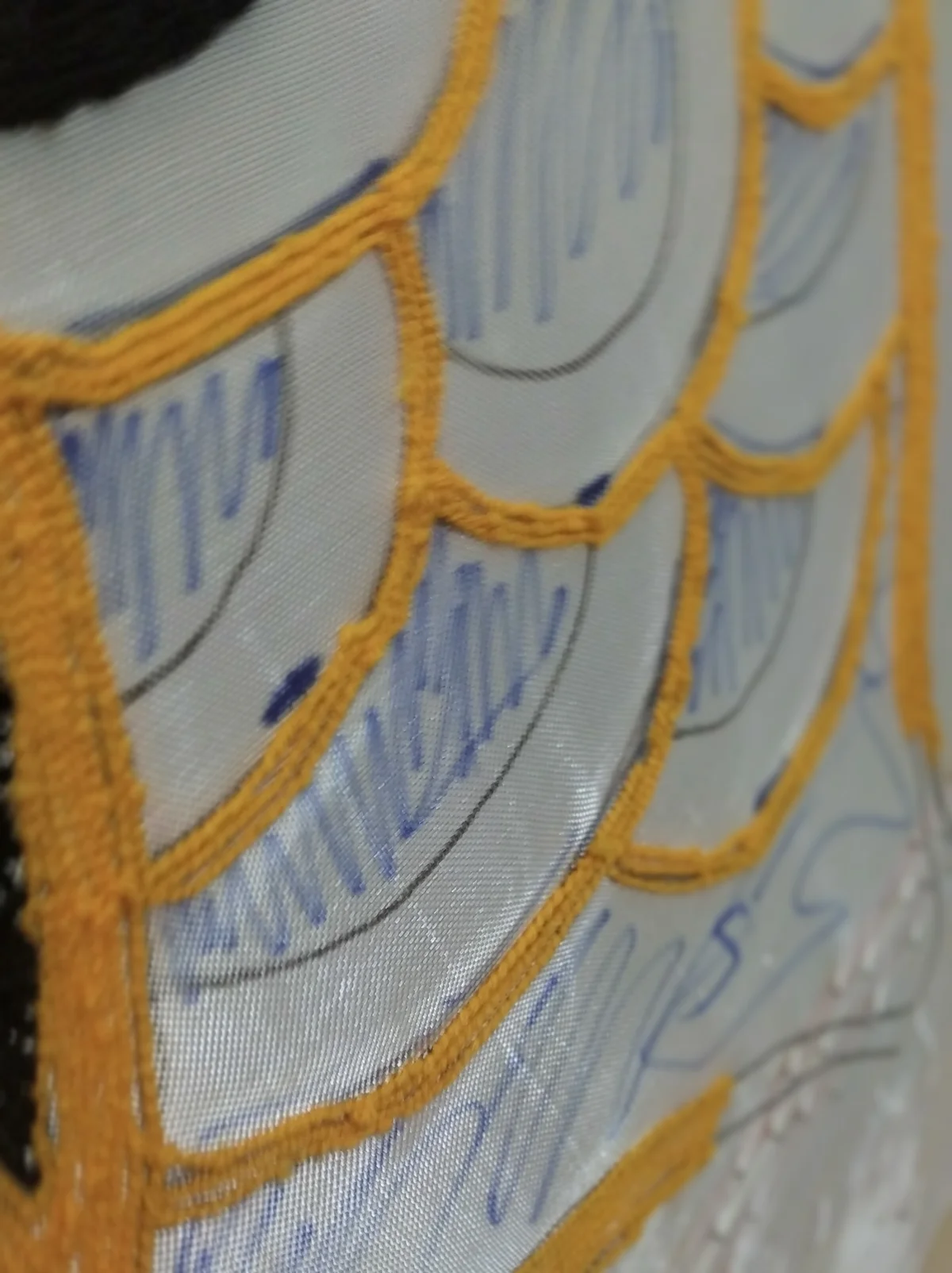
Handmade tufted pieces can add warmth and a tactile quality to an otherwise flat and hard wall surface.
You can use a wall hanging in a living room, bedroom, workspace, or creative studio.
And rather than being simply a decorative object, it can also be displayed and appreciated as a work of art in its own right.
6. Combine Different Textures#
When decorating a wall, color isn't the only thing that matters. Texture can be just as important.
Combining a smooth-surfaced painting with a textured tufted artwork, for example, can add more depth and visual interest to a room.
You can also bring together different materials such as wood, fabric, yarn, ceramics, or paper to create a more personal wall.
With handmade pieces especially, the natural texture of the material can become an important part of the overall decoration.
7. Connect Your Wall Decor With Your Furniture#
Try not to think of wall decoration separately from the rest of the room.
For example, a painting or wall hanging above a sofa can feel disconnected if there is too much empty space between the furniture and the artwork.
Connecting the colors or shapes in your artwork with cushions, rugs, curtains, or other decorative objects can create a more cohesive interior.
Everything doesn't have to be the same color. Sometimes even a small repetition of one color is enough.
8. Don't Be Afraid to Leave Some Walls Empty#
Not every wall needs to be decorated.
Sometimes an empty wall allows the other artworks in the room to stand out more.
If the room already has plenty of colors, patterns, or objects, leaving some wall space empty can actually make the room feel more spacious.
The goal of wall decoration isn't to fill every available space. It's about choosing the right pieces and placing them in the right places.
9. Display Personal Artwork#
One of the best things about wall decoration is that it can make a space feel truly personal.
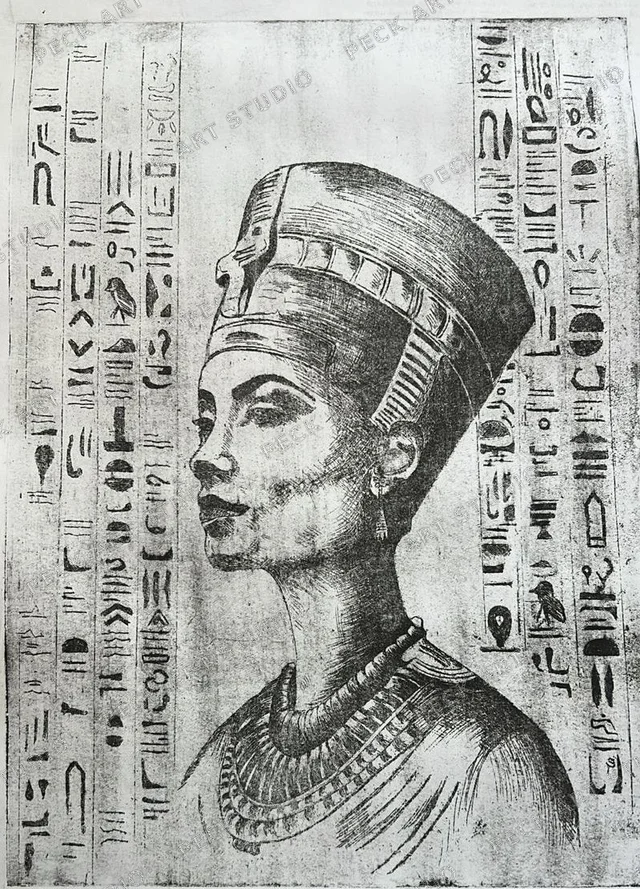
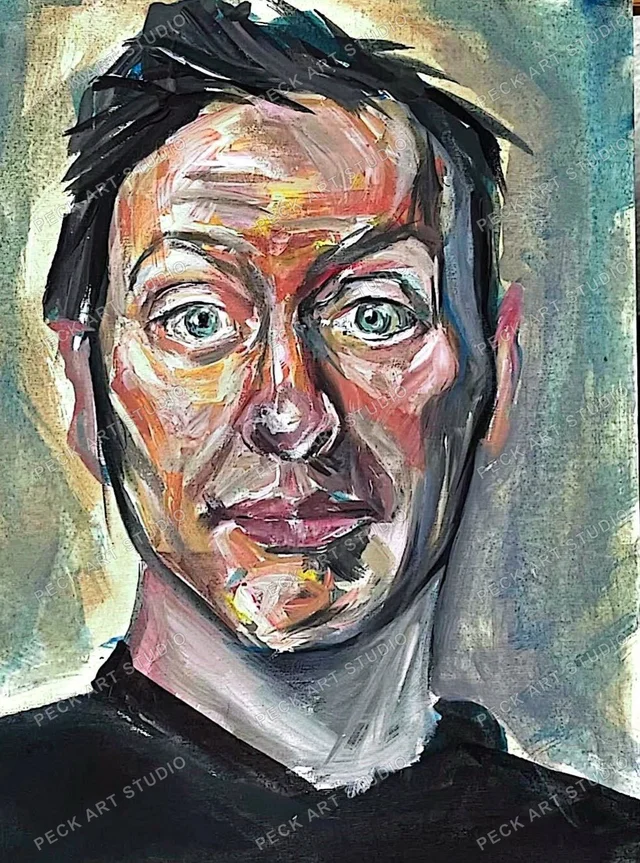
Instead of using only items purchased from home décor stores, consider displaying artworks by artists you love, pieces you've created yourself, prints you've collected during your travels, or objects that have a personal meaning to you.
This way, your wall becomes more than a decorative area, it can tell a personal story.
10. Create Your Own Wall Decor Style#
Finally, remember that you don't have to copy decorating ideas exactly as you see them.
You can create a style that is minimal, colorful, maximalist, retro, or completely your own.
What matters is not making your wall look like an image you've seen online, but making sure it fits your living space and reflects your personal taste.
Sometimes a single colorful tufted wall hanging can give a room exactly the energy you're looking for. Other times, a small gallery wall made up of different artworks might be the better choice.
You don't need to make major changes to decorate your walls. A carefully chosen artwork, an interesting texture, or a personal composition made up of several pieces can completely transform the atmosphere of a space.
Instead of simply filling empty walls, turn them into spaces where you can display and enjoy art.
At Peck Art Studio, we create handmade tufted wall hangings and a variety of original artworks designed to bring color, character, and creativity into your living spaces.
Frequently Asked Questions
Where should I start with wall decoration?
With the size of the wall. A broad wall carries one large piece or a planned group; a narrow one suits a single, simple work. Once the size is settled, colour and technique are easier to choose because the options narrow on their own.
How do I create a gallery wall?
Lay the pieces out on the floor first and settle the arrangement there before moving it to the wall. An equal gap of 5-8 cm between frames makes the group read as one surface. If the sizes vary, placing the largest piece near the centre keeps it balanced.
Does an empty wall have to be filled?
It does not. Empty space lets the work that is hung breathe, and filling every wall makes a room tiring. One or two strong focal points in a room work better than many small pieces.
How many pieces should I use on a wall?
Odd numbers look more balanced, so one, three or five works on most walls. The real criterion is not the count but the area they cover: the group looks right when its width is about two thirds of the furniture beneath it.