Painting Techniques
How to Mix Purple and Grey: Lilac, Lavender and Coloured Greys
Purple is red mixed with blue; for a clean purple you need a red that leans pink, not orange. Grey comes from black and white or from complementary colours. Lilac, lavender, charcoal and slate.

Short answer: purple is a mix of red and blue. For a clean purple, mix a red that leans pink (magenta, alizarin or quinacridone) with ultramarine blue. If you use a red that leans orange, you get a tone close to brown, not purple. Grey comes from black and white, or from two complementary colours mixed with white.
Why does purple sometimes come out brown?
This is the most common disappointment in colour mixing. The cause is the yellow inside the red.
Warm reds such as cadmium red lean towards yellow, that is, towards orange. Mix one with blue and all three primaries enter the mix: red, blue and the yellow hidden in the red. When the three primaries meet, the result is brown.
For a clean purple, choose two colours that contain no yellow:
- Magenta or quinacridone pink + ultramarine: the brightest, cleanest purple.
- Alizarin crimson + ultramarine: a darker, velvety purple.
- Cadmium red + phthalo blue: a broken, brownish purple. Avoid it for clean purple.
Purple tones
- Lilac: purple and plenty of white.
- Lavender: purple, white and a touch of grey or blue. Cooler and dustier than lilac.
- Pinkish lilac: a pink-leaning purple and white.
- Aubergine: dark purple and a little burnt umber. Black also darkens it but kills the glow.
- Plum: purple with a little red and a little brown.
Purple turns pastel fast when lightened with white; start with only a little. Burgundy is not purple: it is red with a very little blue or brown.
How do you make grey?
There are two ways, with different results.
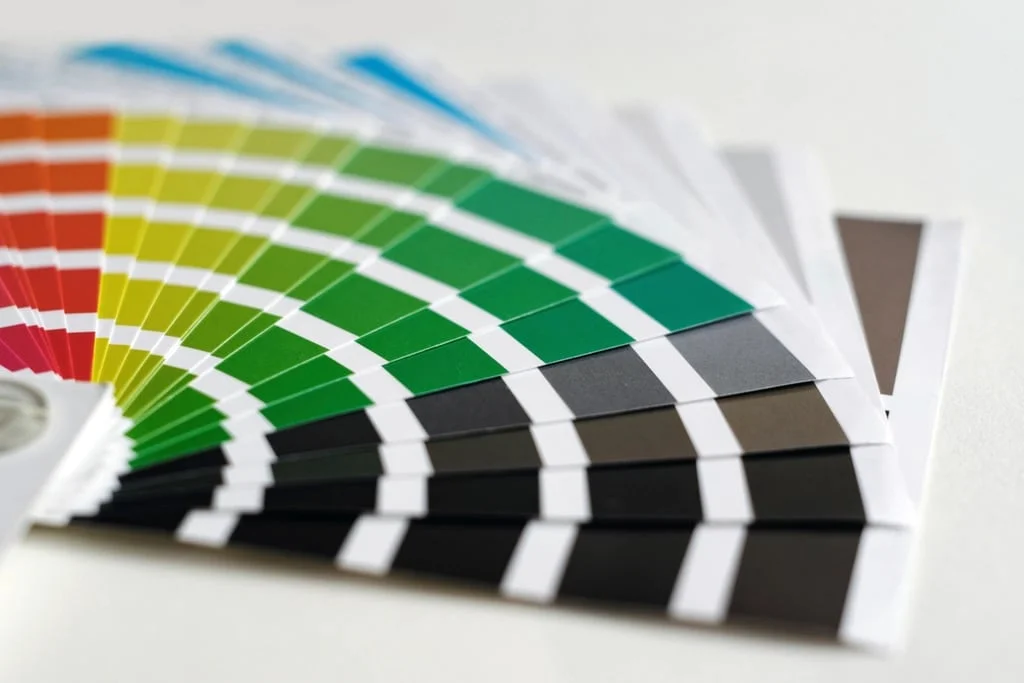
Black + white gives a neutral, flat grey. Changing the ratio gives every tone from light grey to charcoal. It suits technical drawing or a plain ground, but in a painting it can look lifeless.
Complementary colours + white give a lively, coloured grey. This is the way painters use most. The best known is ultramarine blue with burnt sienna. More blue gives a cool grey, more sienna a warm one; bring it to the lightness you want with white.
Orange and blue, red and green, and yellow and violet also give grey with white. These greys carry colour inside them, so they sit in harmony with the colours beside them.
Grey tones
- Light grey: plenty of white, a little black or a little painter's grey.
- Smoky grey: dark grey with a touch of blue.
- Charcoal: black, a very little blue, a very little white.
- Warm grey (greige): grey and a little beige or ochre.
- Cool grey: grey and a little ultramarine.
- Slate: dark grey and a little blue-green.
Why does grey matter in a painting?
Grey is where a painting rests. A coloured grey next to a vivid colour makes that colour look brighter than it is. So instead of filling the canvas with saturated colours, placing broken tones and greys between them strengthens the colour you want to stand out.
A flat grey of black and white can steal from the colour beside it; a grey with some warmth or coolness in it completes the picture. I explain this behaviour of complementary colours in detail in the colour wheel.
How do you make black?
Even with black in a tube, many painters mix their own dark. Ultramarine and burnt umber in equal parts give a deep dark close to black. More blue gives a cool black, more umber a warm one. Phthalo green with alizarin crimson gives a similar dark. These "coloured blacks" look livelier in a painting than black from the tube.
How to think about a purple or grey work at home
Purple and grey set a calm, cool mood in a living space. A grey-dominated work is versatile and gets on with concrete, white and wood. A purple-dominated work usually becomes the one strong accent in a room. In the gallery, Kromatik Sapma (70x80 cm, acrylic) is a good example of how coloured tones are balanced with greys and broken colours. Other works are on the painting page.
Frequently Asked Questions
Which colours mix to make purple?
Red and blue. For a clean purple, choose a pink-leaning red (magenta, alizarin, quinacridone) with ultramarine blue. Orange-leaning reds such as cadmium red give a brownish purple with blue.
Can you make grey without black?
Yes. Mix two complementary colours, for example ultramarine blue and burnt sienna, and lighten with white. A grey made this way looks livelier than one from black and white and harmonises with neighbouring colours.
What is the difference between lilac and lavender?
Both are purple lightened with white. Lilac is warmer and closer to pink; lavender has a touch of grey or blue and looks cooler and dustier.