Painting Techniques
How to Make Brown Paint: Which Colours Mix to Make Brown
Brown is a mix of two colours that face each other on the colour wheel: orange and blue, red and green, or yellow and violet. Light brown, dark brown, beige and warm or cool browns.
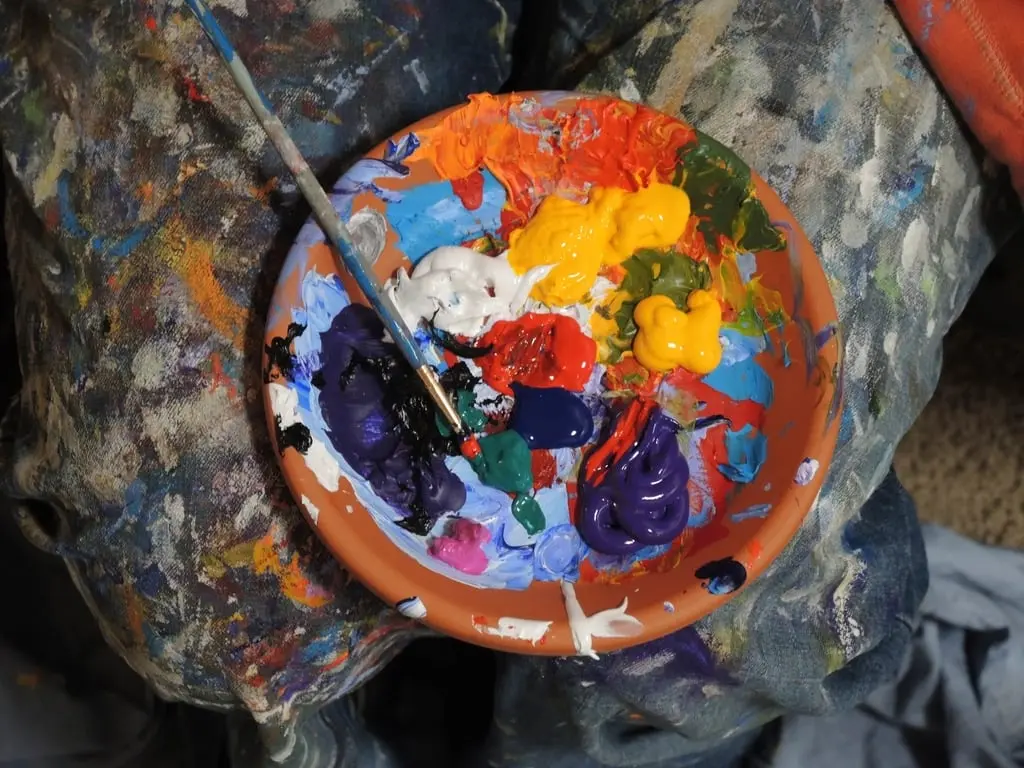
Short answer: brown comes from mixing two complementary colours. The easiest way is orange and blue; red and green, and yellow and violet, also give brown. Mixing the three primaries, red, yellow and blue, together leads to the same result.
The reason is this: colours that face each other on the colour wheel dull each other. Mixing paint subtracts light; when two complementaries meet, almost all the light is absorbed and a dark, broken tone is left. Depending on the ratio, that tone is brown or grey.
Which colours mix to make brown?
- Orange + blue: the most balanced and easiest brown. More orange gives a warm, reddish brown; more blue gives a cool, dark brown.
- Red + green: a reddish, wine-toned brown. A little extra red brings it close to chestnut.
- Yellow + violet: a lighter, olive-like brown, close to mustard and earth tones.
- Red + yellow + blue: the three primaries in equal amounts make a dark brown. Whichever you increase, the brown shifts that way.
If you have no orange, mix red and yellow into orange first, then add blue.
How do you make light brown?
There are two ways:
- Add yellow or yellow ochre to brown. The tone lightens but stays warm, heading towards caramel and tan.
- Add white to brown. The tone lightens but cools and turns pastel, heading towards milky coffee and taupe.
Choose by what you want. The most natural light brown is often a mix using both.
How do you make dark brown?
Adding blue darkens brown and cools it, towards chocolate and dark cocoa. A little black also darkens it but smothers the colour, so try blue first. For a warmer dark brown, add red and a touch of blue together.
Brown tones and their mixes
- Beige: white, a little brown, a touch of yellow.
- Tan: brown, yellow and a little orange.
- Chestnut: brown and red.
- Taupe: brown, white and a very little blue or grey.
- Earth brown: brown and yellow ochre.
- Chocolate: dark brown and a little red.
Ready-made browns: sienna and umber
On a painter's palette, brown usually comes ready-made, with the name on the tube:
- Raw sienna: a yellowish, transparent earth colour.
- Burnt sienna: a reddish, warm brown. The base of skin tones and painted wood.
- Raw umber: a greenish, cool brown.
- Burnt umber: a dark, neutral brown, used in shadows and to break dark tones.
These pigments come from natural earths, are lightfast and behave cleanly in mixes. In oil, umber also dries fast, so it is favoured in the first layers. A brown you mix yourself lets you build any tone from the colours you have; the two are used alongside each other, not instead of each other.
Why does my brown come out like mud?
This is the most common complaint. There are three reasons:
- Too many colours have been mixed. Any mix of more than three colours starts to get dirty.
- The brush went into another colour without being rinsed.
- The ratio is off. Brown tones are built in small steps; add a little of one colour to the other at a time.
One more thing: a brown looks livelier when a bit of pure colour sits at its edge. A small touch of orange or blue next to the brown on the canvas enriches the brown itself.
Where is brown used in a painting?
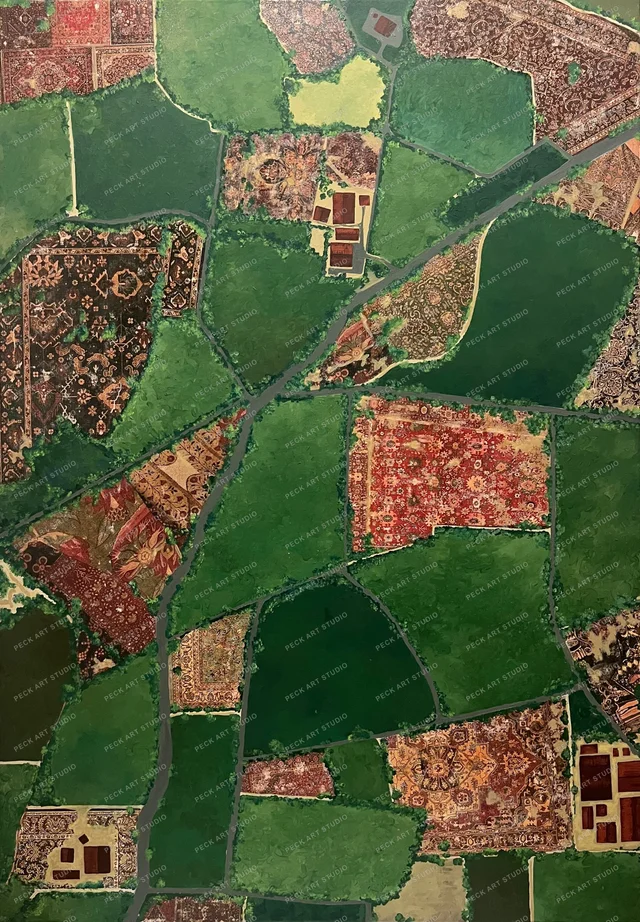
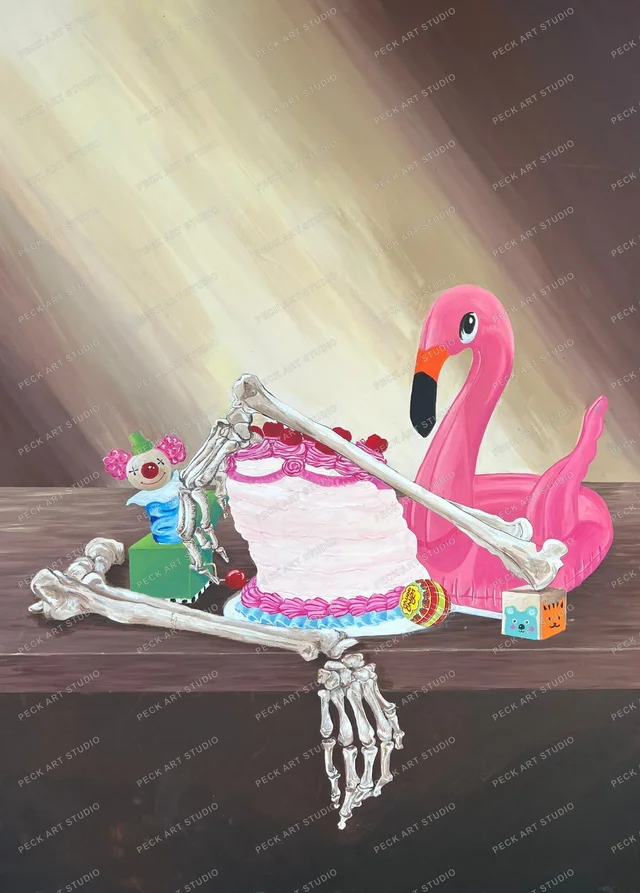
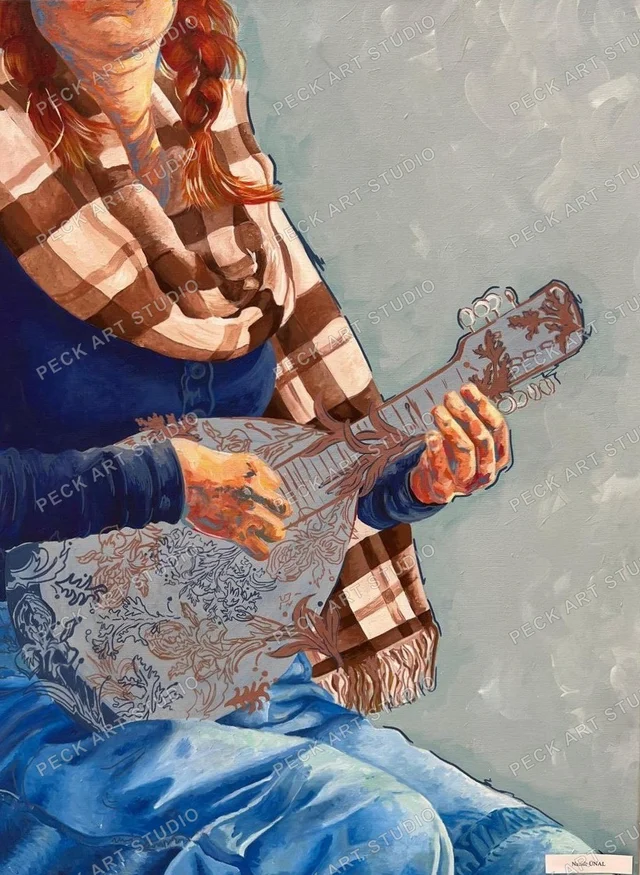
Brown tones are the backbone of a painting: wood, earth, hair, shadows and skin tone mixes all come from this family. A painting dominated by browns and earth tones leaves a warm, calm effect in a room. You can also browse the gallery's works by palette on the painting page.
Frequently Asked Questions
Which colours mix to make brown?
Two complementary colours: orange and blue, red and green, or yellow and violet. Mixing red, yellow and blue together also gives brown. The easiest and most balanced is orange and blue.
How do you make light brown?
Adding yellow or yellow ochre gives a warm light brown; adding white gives a cooler, pastel light brown. The most natural result often comes from using both.
Why does my brown look muddy?
Usually because more than three colours were mixed, the brush went into another colour without rinsing, or colours were added in large amounts. Build brown from two complementaries, in small steps.