Buying Art
How Long Does an Acrylic Painting Last? Fading, Cracking and Yellowing, and What to Do About Them
Does an acrylic painting fade, crack or yellow? The paint itself, sunlight, radiators, cold and dust: what decides how long an acrylic painting lasts, and what to ask before you buy.
An acrylic painting made with the right materials and hung in the right place lasts for decades. Acrylic has been used as an artists' paint since the 1950s, and once dry it forms a flexible film that, unlike oil, does not yellow over time. Four things really decide how long a painting lasts: how lightfast the pigment is, direct sunlight, swings in temperature, and dust. All four can be controlled.
Does an acrylic painting fade?
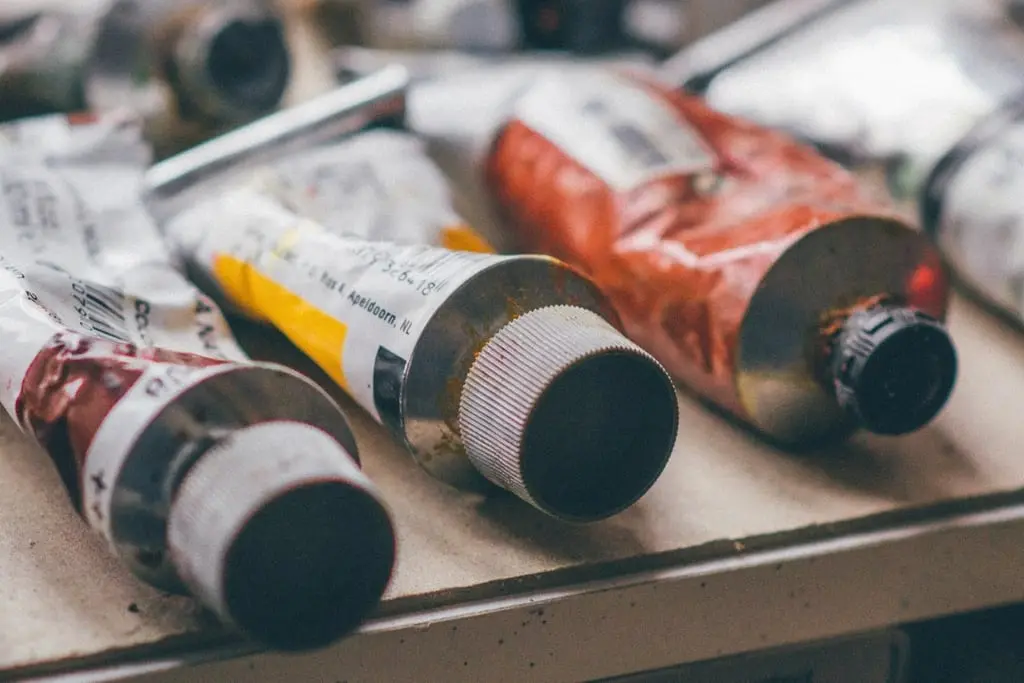
Fading depends on the pigment, not the paint. Artist-quality paints carry a lightfastness rating on the tube. On the ASTM scale, I means "excellent" and II "very good"; work made for galleries and sale uses paints in these two ratings. With student paints, some bright pinks and purples can lighten visibly within a few years.
However durable the pigment, direct sun is the worst enemy. On a wall opposite a south-facing window, where afternoon sun falls on the painting every day, the effect shows over the years. A simple test tells you: watch the wall for a day and note when the sun hits it.
That is one of the jobs of varnish too. A UV-protective varnish reduces the effect of light and puts a layer between dust and paint. Types are covered in how to varnish a painting.
Does an acrylic painting crack?
Not in normal room conditions. The acrylic film is flexible; when the canvas tightens and slackens slightly, it moves with it.
There are two exceptions. The first is cold. Below about 7°C the acrylic film loses its flexibility and turns brittle. A painting waiting in an unheated store room, a car boot or on a balcony in winter can crack if it takes a knock at that temperature. Do not leave a painting in the cold when moving house either.
The second is very thick paint. Paint laid on too thickly in one go, whose surface closes before the inside dries, can crack as it dries. This is prevented in production: where heavy texture is wanted, the paint goes on layer by layer, each one left to dry.
Does an acrylic painting yellow?
The paint itself does not. Unlike oil, the acrylic binder does not change colour over time. Yellowing usually comes from dirt stuck to the surface: kitchen steam, cigarette smoke and soot in homes with stoves.
In a warm room the acrylic film stays slightly soft and holds dust. That is why an unvarnished painting near a kitchen can turn dull within a few years. A varnished surface holds the dirt on the varnish rather than the paint.
What to watch for at home
- Radiators: do not hang the painting right above one. The rising warm air carries dust upwards and leaves a dark band along the bottom edge. Keep it at least 50 cm above, or on a side wall.
- Bathrooms and damp walls: humidity slackens the canvas and brings a risk of mould on the wooden stretcher. If the canvas slackens, tapping the keys in the stretcher corners lightly re-tensions it.
- Kitchens: choose the dining table side rather than the wall facing the hob. Steam and grease thin out the further you get from it.
- Cleaning: a soft, dry brush once a month. No damp cloths or glass cleaner. The steps are in how to clean an acrylic painting.
Questions to ask before you buy
A few questions tell you before buying whether a painting will last:
- Were artist-quality paints used?
- Is the canvas primed, and is the stretcher solid wood?
- Has the painting been varnished, and with what?
- Is there a date and signature on the back?
If the seller can answer all of these clearly, you can relax about the materials. Canvas and stretcher differences are in types of canvas, and what primer does in what is gesso.
Is oil paint longer lasting?
Oil has centuries of history, and museums hold oil paintings 500 years old. But oil also yellows, and cracks if the layering rules are not followed while it dries. Acrylic is a younger technique, and more forgiving about yellowing and drying cracks. The difference between the two is in oil or acrylic.
Size and materials for each acrylic painting in the gallery are on its own page; all of them are on the painting page. For a painting of your own subject, choose acrylic on canvas and a size in the calculator on the custom order page. If you mention in your message where it will hang (does it get sun, is it near a radiator), I will choose the varnish accordingly.
Frequently Asked Questions
How long does an acrylic painting last?
An acrylic painting made with artist-quality paint, varnished and hung on a wall out of direct sun lasts for decades. Acrylic has been an artists' paint since the 1950s and dries to a flexible film that does not yellow.
Does an acrylic painting fade in the sun?
Fading depends on the pigment's lightfastness; paints rated ASTM I and II are durable. Even so, a wall that gets direct sun every day shows the effect over the years. A UV-protective varnish and a wall out of the sun are the best precautions.
Does acrylic paint crack in the cold?
The acrylic film turns brittle below about 7°C. A painting left in an unheated store room, a car or on a balcony can crack if knocked at that temperature. At room temperature it is flexible and does not crack.
Can a painting hang above a radiator?
It is not recommended. Rising warm air carries dust to the bottom edge and leaves a dark band. Hang it at least 50 cm above the radiator, or on a side wall.