Inspiration
How to Varnish a Painting: Oil and Acrylic Explained
What varnish does, how long oil paint must dry first, why acrylic needs an isolation coat, and how gloss, satin and matt finishes differ.
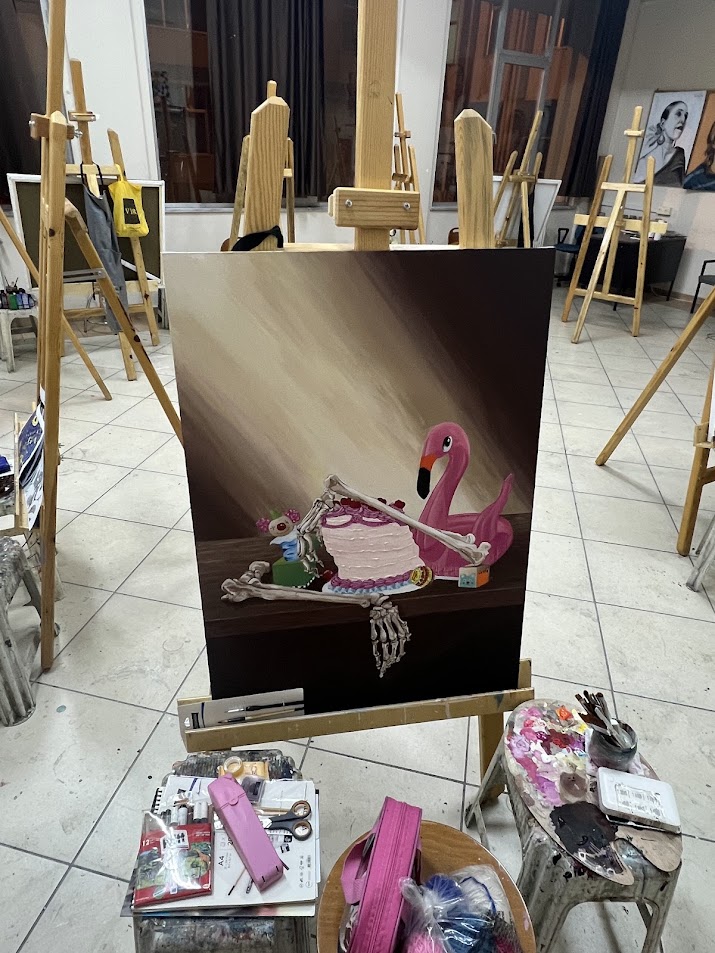
Varnish is a thin, transparent protective layer applied over a finished painting. It is not part of the paint; it sits above the paint film as a separate coat that can be removed when needed. It does two jobs: it collects dust, soot and moisture on itself instead of on the paint, and it restores the depth colours lose while drying.
That distinction matters. Varnish yellows and dulls over the years. Applied correctly, a conservator dissolves it, leaves the paint underneath untouched and lays down a fresh coat. When a permanent coating is used instead of varnish, that option disappears, and the dirty layer is now the artwork itself.
Why colour shifts as paint dries#
Wet paint has a level surface that reflects light evenly. As it dries the binder pulls back, the surface roughens on a microscopic scale and starts scattering light. Dark tones suffer first: black reads as grey, deep blue looks faded. Painters call this sinking in.
Varnish levels that rough surface again. The colour does not come back because it never left; what is repaired is the behaviour of light. This is why most people looking at a freshly varnished painting say it seems repainted.
How long oil paint has to wait#
Oil paint does not dry by evaporation. It cures by reacting with oxygen in the air, and while the surface may be touch dry in days, the layers underneath keep moving for months.
- Six months is a reasonable minimum for thinly painted work.
- A thick, impasto surface needs twelve.
- If you are unsure, press a dark area with a fingertip; if it leaves a mark, it is not ready.
Varnishing early is expensive. The paint below can no longer reach oxygen, and the varnish film is stretched over a moving ground. The result is either a web of cracks or a cloudy white bloom.
For work that cannot wait there is retouch varnish: a very dilute resin that lets air through and can be applied after about a month. It does not replace a final varnish, it evens out the surface until the show is over.
The isolation coat in acrylics#
Acrylic dries as water evaporates, so it is fast. Even so the film keeps curing for one to two weeks, and varnishing before that is a mistake.
The second and more often skipped issue is the isolation coat. Acrylic paint and acrylic varnish are chemically related; varnish laid straight onto the paint fuses with it and can never be removed again. A thin layer of clear acrylic medium between the two prevents that bond, and it also stops matt passages from soaking up the varnish and drying patchy.
Gloss, satin, matt#
All three finishes use the same resin. The difference comes from the matting powder stirred into it.
- Gloss shows colour at its deepest and lifts contrast. In exchange it also gathers reflections from windows and lamps.
- Matt kills reflection and stays readable on walls that are hard to light. Too much matting agent pulls dark tones towards grey.
- Satin sits between the two and is the right answer for most interiors.
Decide by picturing the wall: a window opposite the painting calls for matt or satin, while a dim hallway suits gloss.
The order of work#
1. Lay the painting flat. On a vertical surface varnish runs and leaves streaks. 2. Remove every trace of dust with a soft brush or cloth. Dust trapped under varnish stays there. 3. Work below 60% humidity, at 18-24°C. In damp air varnish dries cloudy. 4. Use a wide, soft varnish brush and lay one thin coat in a single direction with slight overlaps. Brushing back and forth creates bubbles. 5. Wait at least 24 hours. If a second coat is needed, run it perpendicular to the first.
Spray varnish gives a more even result on delicate surfaces and heavy impasto; hold the can 25-30 cm away and keep it moving past the painting rather than resting on one spot.
Common mistakes#
- Applying one thick coat. Two thin coats are always clearer and more durable.
- Using furniture polish, spray lacquer or automotive varnish. These cannot be removed and yellow unpredictably.
- Drying the varnish in direct sun. The surface skins over before the layer beneath sets.
- Wrapping the painting straight after varnishing. Cling film and bubble wrap stick to varnish that has not fully cured.
What to do with a painting you bought#
If you acquired a piece from a gallery or from the artist, do not varnish it yourself. The artist has usually either varnished it already or deliberately chosen not to, and in the second case the decision belongs to the technique. If the surface has gone dull over time, the first step is dusting it with a dry, soft brush. Damp cloths, detergent and household tricks lift paint.
At Peck Art Studio, oil and acrylic works are assessed for cure before they ship, and pieces that are still too young for a final varnish arrive with a note saying so. When you are unsure how to care for a work you own, write to us and we will talk it through for that specific technique.
Frequently Asked Questions
How long should I wait before varnishing an oil painting?
Six months for a thinly painted work and twelve for a thick, impasto surface. Oil cures from the surface inwards, so varnish applied while the lower layers still move will crack or bloom white. When a deadline forces your hand, a breathable retouch varnish can go on after about a month.
Does an acrylic painting need an isolation coat before varnish?
It is essential if you want the varnish to stay removable. Acrylic paint and acrylic varnish belong to the same family, so in direct contact they fuse and the varnish can never be lifted. A thin layer of clear acrylic medium prevents that and also stops matt areas from absorbing varnish unevenly.
Should I choose gloss or matt varnish?
Let the wall decide. Gloss gives the deepest colour but also gathers reflections from windows and lamps, which can make a painting unreadable opposite a window. Matt removes reflection but pulls dark tones slightly towards grey. For most interiors a satin finish balances the two.
Can I use furniture polish or spray lacquer on a painting?
No. These products are not designed to be dissolved off the way picture varnish is; they yellow unpredictably, and when cleaning time comes, removing the layer takes paint with it. Use a picture varnish made for conservation and labelled removable.
The varnish on my painting has gone dull. What should I do?
Start by dusting it with a dry, soft brush, since a layer of dust is the most common cause. Avoid damp cloths, detergent, alcohol and household remedies, which stain the varnish and can reach the paint. If dusting does not help, ask the artist you bought it from or a conservator, because renewing varnish is specialist work.