Peck Art Studio
Painting & Tufting Studio
Studio Notes
Articles on oil, acrylic, choosing paintings and commissioned art
Custom Orders · September 6, 2026
Compare ready-made tufted art and custom commissions by price, timing, design freedom and return terms, then choose the route that suits you.
Read More
Care & Cleaning · September 5, 2026
Varnish is the removable final coat that protects a painting from dust, grime and UV light. Oil paint needs at least 6 months to dry when thin and 12 months when impasto; acrylic needs an isolation coat first.
Painting Techniques · September 5, 2026
Gouache is watercolour's opaque, matte relative: pigment bound with gum arabic, made opaque by a chalk-like filler, and re-soluble in water after drying. What it means, how to use it and which paper to use.
Tufting · September 5, 2026
A rug pad keeps a rug in place, extends its life and protects the floor. The right type for wood, laminate, tile and carpet, and what to avoid.
Art Supplies · September 4, 2026
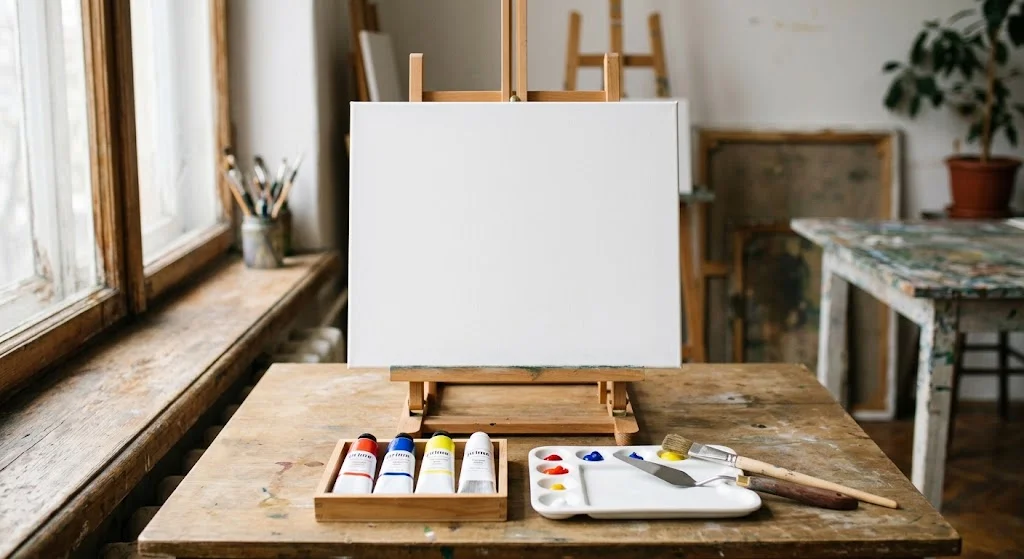
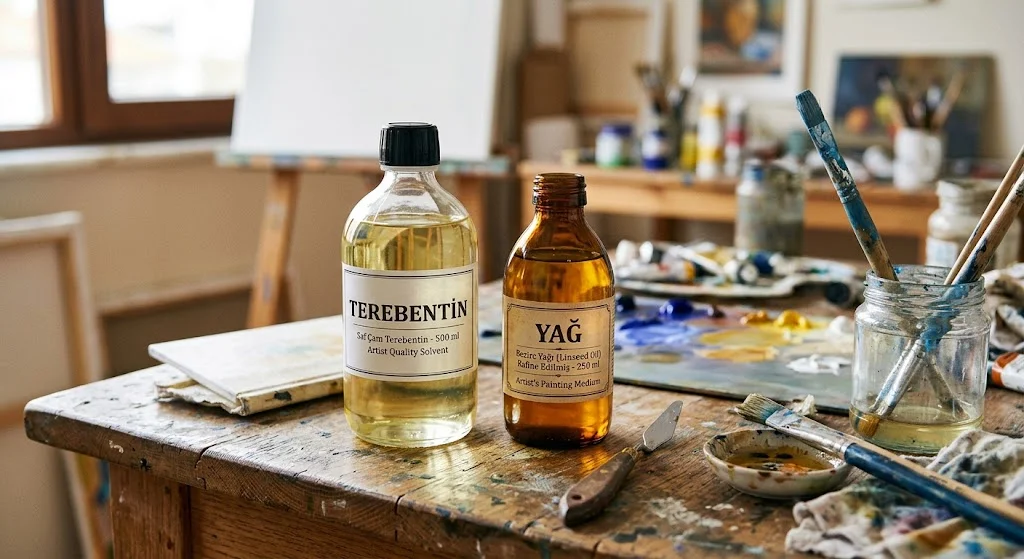
To start oil painting you need five to eight basic colours, a few brushes, a primed canvas, a palette, linseed oil and turpentine. What you really need, plus a first shopping list.
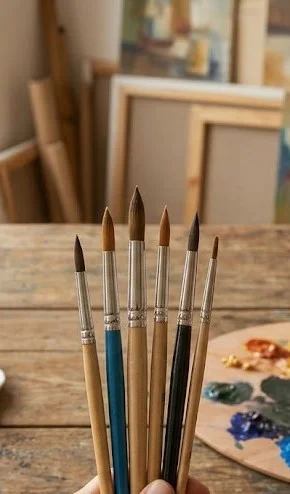
There are 8 basic brush types: round for lines, flat for broad areas, filbert for soft transitions, fan for texture and blending, angled for corners, detail for fine work; soft and stiff bristles change the result too.
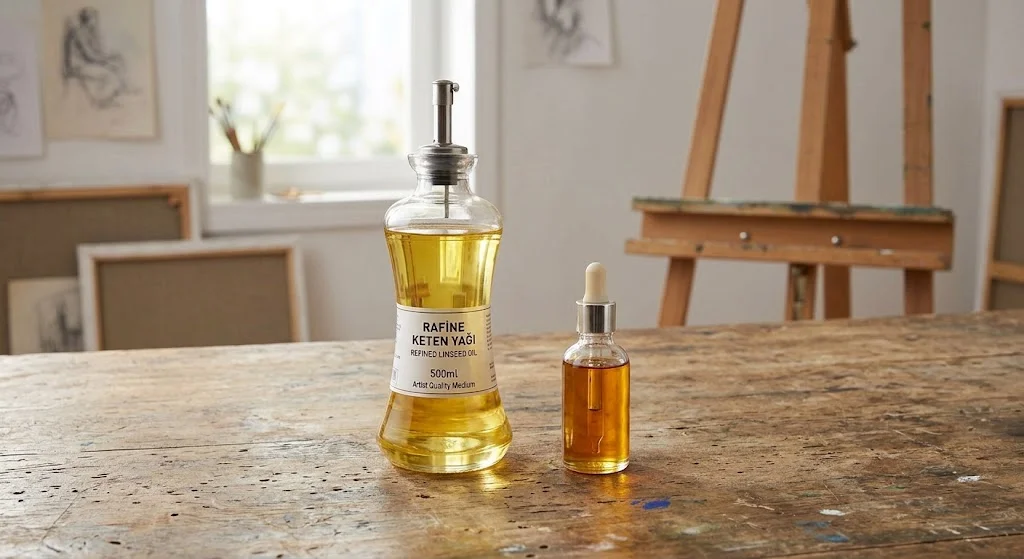
Linseed oil makes paint flow, adds gloss and slows drying. How much to use, in which layer, and what to watch out for.
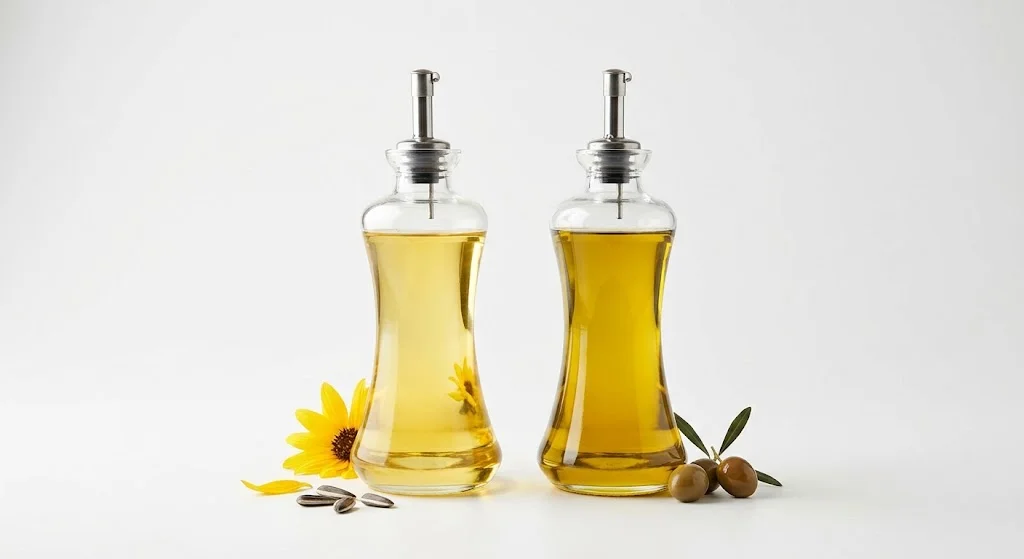
No: oil paint is thinned only with drying oils such as linseed. Olive oil never dries and sunflower oil dries poorly; both leave the layer tacky for months. Which oil to use, and when.
Short answer: solvent such as turpentine for the first layers, linseed oil or a medium after that, never water. What to use in which layer, and why over-thinning weakens the paint.
Page 7 of 14