Inspiration
How to Get Started with Oil Painting? Oil Painting Supplies for Beginners
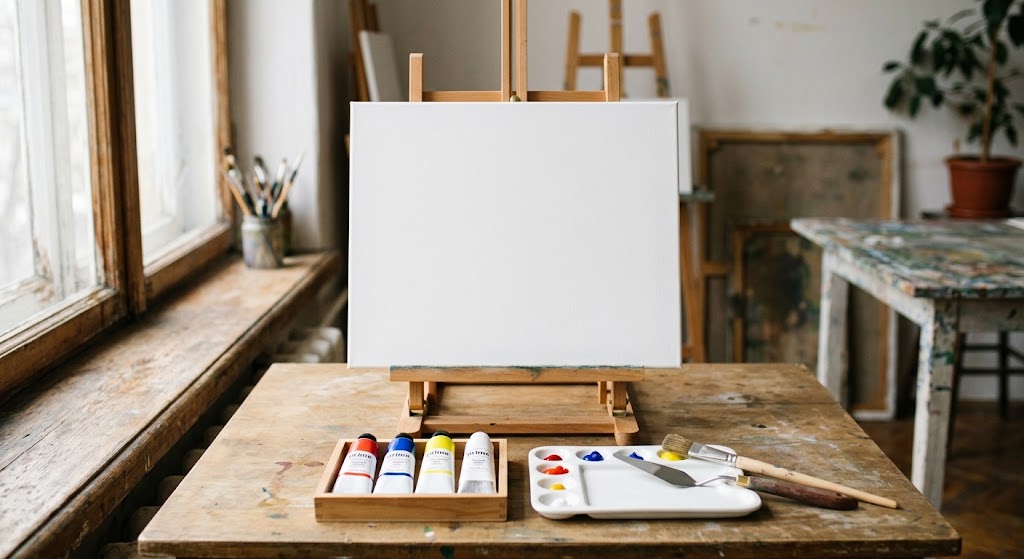
You don't need a large collection of supplies to start oil painting. A few basic oil colors, several brushes, a ready-made canvas, palette, spatula, linseed oil, and turpentine can be enough. Using a spatula to mix paint helps protect your brushes from unnecessary wear. As you gain experience, you can gradually build a collection that suits your painting style.
How to Get Started with Oil Painting? Oil Painting Supplies for Beginners
When you decide to start oil painting, choosing the right materials can feel a little overwhelming at first. There are different types of paints, various brush shapes, linseed oil, turpentine, palettes… It is easy to wonder what you actually need.
The good news is that you don't need a huge collection of supplies to get started with oil painting. What matters most is choosing the basic materials carefully and understanding what each one is used for.
In this guide, I will go through the essential oil painting supplies that can make things easier for beginners and explain what to consider when making your first purchases.
What Do You Need to Start Oil Painting?
You don't need to make a huge shopping list at the beginning. A few oil paint colors, several different brushes, a canvas, a palette, and a few additional materials are enough to start exploring oil painting.
Here are the basic supplies you may need:
Oil paints Painting brushes Canvas Palette Linseed oil Turpentine Spatula Cloth or paper towels
You don't have to buy everything in large quantities at once. It makes much more sense to start with the basics and discover which materials you actually need as you gain experience.
Which Oil Paints Should Beginners Buy?
When you first start oil painting, it can be tempting to buy as many colors as possible. Especially when you see paint sets with dozens of colors, it is easy to think you need all of them. In reality, you don't need that many colors when you're starting out.
A palette of around 5–8 basic colors can be enough to create many different colors through mixing. You can start with basic colors such as white, black, yellow, red, and blue, and then add a few additional colors depending on your needs.
The number of colors isn't the only thing that matters. Paint quality is important too. Instead of buying a huge selection, starting with fewer colors that you enjoy using can help you stay within your budget while also teaching you how to mix your own colors.
As you paint more, you will naturally discover which colors you use most often and can expand your palette accordingly.
Which Brushes Are Used for Oil Painting?
The shape and bristle type of your brush can directly affect how the paint looks on the canvas.
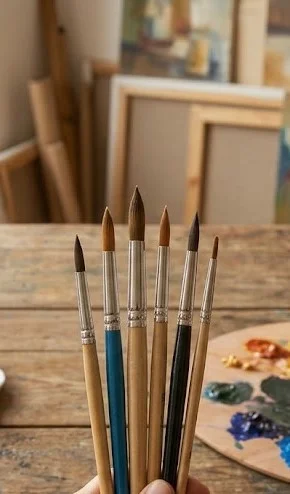
Round brushes are useful for fine lines and details, while flat brushes work well for larger areas and more defined brushstrokes. Cat tongue brushes are especially useful when you want both control and softer transitions.
The softness or stiffness of the bristles also makes a difference. Stiff-bristle brushes can create more visible and textured marks, while softer brushes are better suited to smoother transitions.
You only need a few brushes in different sizes when you're starting out. Rather than buying a large collection, it is much more useful to learn how to work with a few basic brush shapes.
If you want to learn more about different brush types, you can also read “Painting Brush Guide: What Is Each Brush Used For?”
What Kind of Canvas Should You Choose for Oil Painting?
Choosing the right surface is just as important as choosing your paint and brushes.
If you're a beginner, a ready-made, primed canvas can make things much easier. You can start painting right away without having to prepare the surface yourself.
You don't need a very large canvas for your first painting either. A medium-sized canvas is usually easier to work on and also helps you keep your material use under control.
Later on, you can explore different surfaces and even learn how to prepare your own canvas. But for your first oil painting, a ready-made canvas is more than enough.
Choosing a Palette for Oil Painting
When working with oil paint, you need a flat and reasonably spacious surface where you can mix your colors.
Wooden, plastic, and glass palettes can all be used. This is partly a matter of personal preference. For me, easy cleaning is important, so I prefer palettes with a surface that can be cleaned easily.
It is also a good idea not to choose a palette that is too small. Oil painting requires some space for mixing colors comfortably.
Why Use a Spatula?
A spatula is a very practical tool for mixing oil paints on your palette.
When mixing different colors, using a spatula instead of repeatedly pressing and mixing the paint with your brush is important for protecting your brushes. Pressing the tip of a brush against the palette while mixing can gradually wear down the bristles and cause the brush to lose its shape.
For this reason, it is better to use your brushes mainly for applying paint and leave the color-mixing process to the spatula. This simple habit can help your brushes stay in better condition for longer.
A spatula also makes it easier to mix paint evenly and remove excess paint from the palette when needed.
You don't need a large or specialized spatula when you're starting out. A small, comfortable one is enough.
What Are Linseed Oil and Turpentine Used For?
When you start working with oil paint, two materials you will come across frequently are linseed oil and turpentine. However, they do not serve the same purpose.
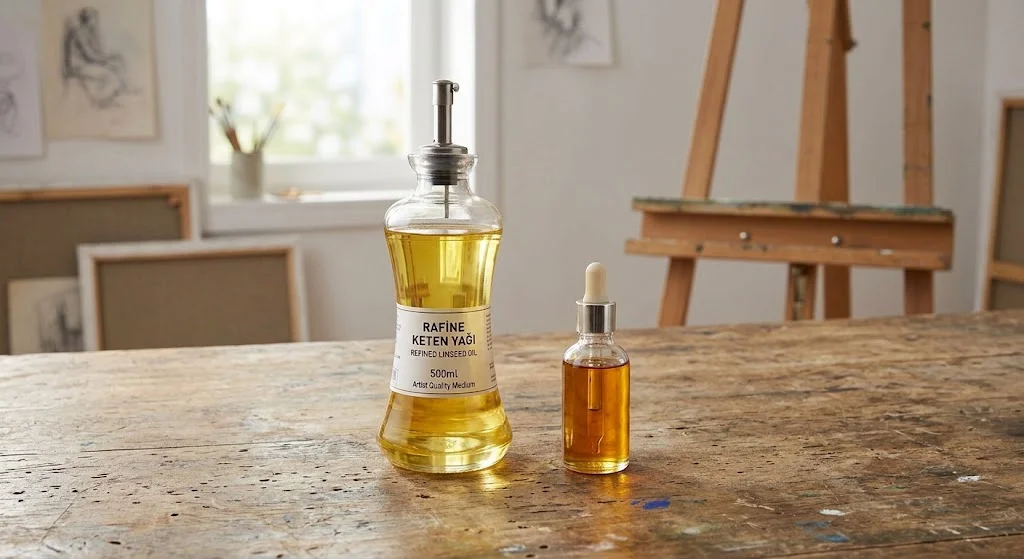
Linseed oil makes oil paint smoother, more fluid, and more slippery. It can help the brush move more easily across the canvas and make color transitions smoother. However, using too much can increase the gloss of the paint and slow down drying.
It is best to start with a very small amount of linseed oil. I also recommend using a small dropper if you want more control over the amount. This allows you to add a few drops at a time and gradually adjust the consistency of the paint instead of adding too much at once.
Turpentine, on the other hand, can be used to make oil paint more fluid and to work with thinner paint, particularly in the initial layers. Unlike linseed oil, it does not add oil to the paint, so it affects the paint differently.
With both materials, it is better to add small amounts while observing how the paint behaves rather than adding too much at once.
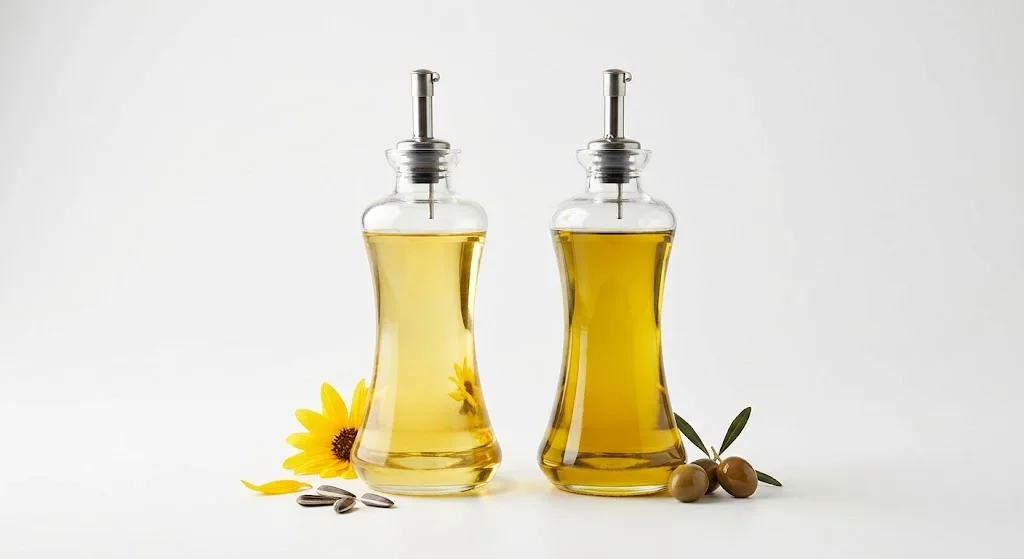
If you want to learn more about using linseed oil, you can also read “Can Oil Paint Be Thinned with Any Oil? Can You Use Sunflower Oil or Olive Oil?”
When using turpentine, make sure the working area is well ventilated and follow the safety instructions provided with the product.
What Do You Need to Clean Oil Paint Brushes?
Cleaning your brushes properly is an important part of working with oil paint. When paint dries on the bristles, they can become stiff and the brush can lose its original shape.
During a painting session, you can first remove excess paint with a cloth or paper towel. Then clean the brush properly, making sure that no paint remains trapped between the bristles.
If you want your brushes to last longer, it helps to think of cleaning as part of the painting process itself. In particular, avoid leaving good-quality brushes sitting in paint for long periods and allow them to dry properly after cleaning.
First Oil Painting Shopping List for Beginners
If you're wondering what to buy for your first oil painting project, you can keep your shopping list simple:
Oil paints in 5–8 different colors 3–5 brushes in different sizes and shapes A medium-sized ready-made canvas A palette A small spatula Linseed oil Turpentine Cloth or paper towels
This basic set is enough to start exploring oil painting comfortably.
As you gain experience, you can add different brushes, colors, mediums, and surfaces according to your needs.
Do You Really Need to Buy Everything at the Beginning?
I think one of the biggest mistakes beginners make with oil painting is buying everything from the very beginning.
Instead of buying dozens of paint colors, a huge collection of brushes, and materials you're not even sure you'll use, it makes much more sense to start with the essentials.
You will only discover which brushes you prefer, which colors you use most, and whether you enjoy working with thicker or more fluid paint once you actually start painting.
With oil painting, having a huge collection of materials isn't the most important thing. Knowing how to use the materials you already have is.
Start with a few basic paints and brushes, and over time you can build a collection that suits your own way of working.
Your first painting doesn't have to be perfect. Oil painting takes a little patience, experimentation, and plenty of practice. As you become familiar with your materials and try different techniques, you'll naturally discover which supplies work best for you.