Inspiration
How to Use Linseed Oil in Oil Painting?
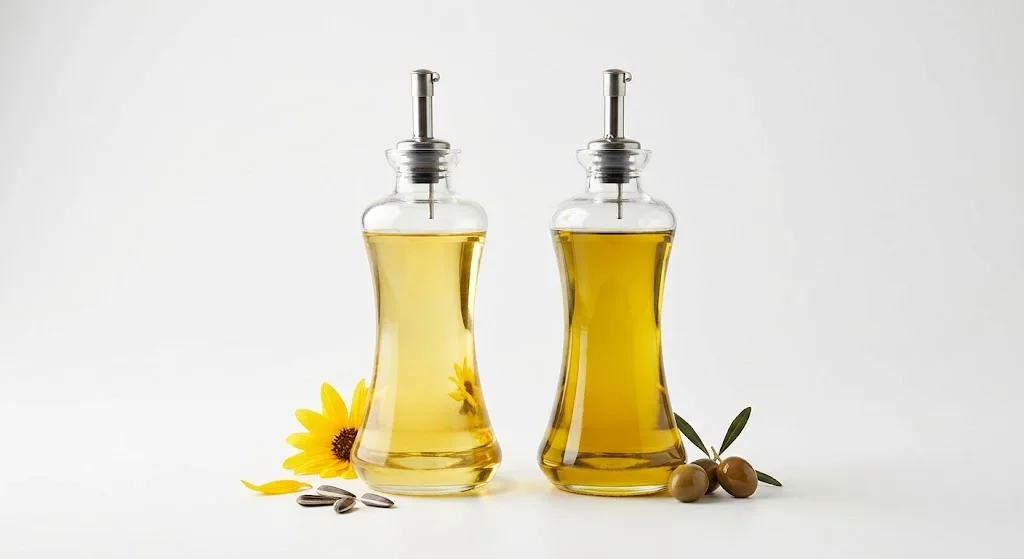
Linseed oil makes oil paint smoother and more fluid, allowing the brush to move more easily across the canvas. However, using too much can increase gloss and slow down drying. Adding it gradually in small amounts, preferably with a dropper, helps you control the consistency and achieve better results.
How to Use Linseed Oil in Oil Painting?
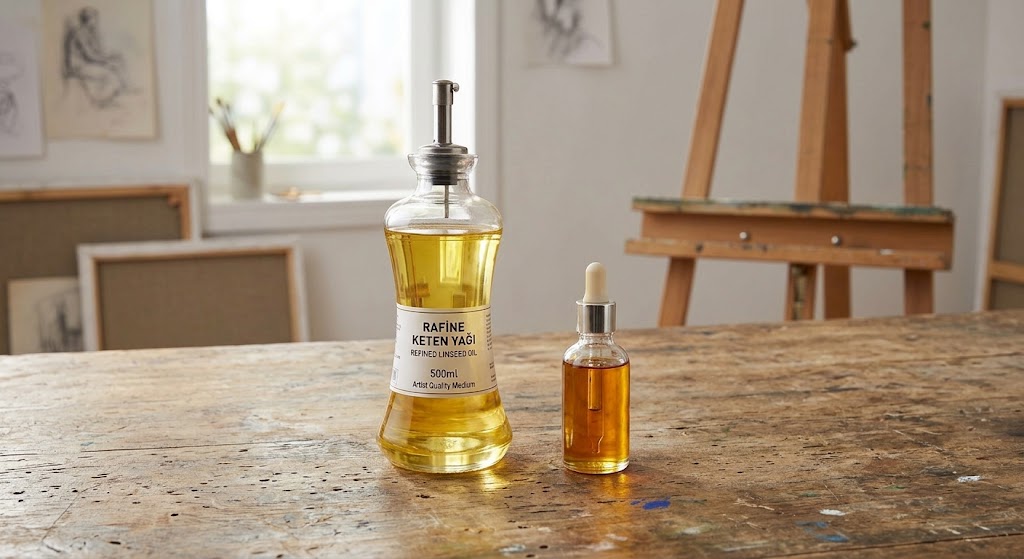
Linseed oil is one of the most commonly used materials in oil painting, but it should be used with some care. Unlike turpentine, linseed oil does not simply thin the paint; it adds oil to the paint and changes the way it behaves.
When linseed oil is added, the paint becomes smoother and more fluid. It can make the brush move more easily across the canvas and can be helpful when working on certain color transitions. It can also increase the gloss of the paint and affect its drying time.
For this reason, rather than mixing a large amount of linseed oil directly into the paint, it is better to use small amounts. Especially if you are using it for the first time, try it with a small amount of paint on your palette and observe how the consistency and behavior change.
To use linseed oil more precisely, I also recommend using a dropper. A dropper allows you to add the oil a few drops at a time instead of accidentally adding too much at once. This makes it easier to adjust the consistency of the paint gradually, especially if you are new to using linseed oil. My recommendation is to start with a very small amount and increase it little by little if needed.
Another important point is the layering of the painting. Oil painters generally pay attention to the “fat over lean” principle. This means that the early layers are usually applied with less oil, while the oil content can be gradually increased in later layers. For this reason, instead of adding too much linseed oil to the first layer, it is better to use it carefully and according to the stage of the painting.
Using too much linseed oil can make the paint excessively glossy, slippery, or slow to dry. It can also create an unwanted oily appearance on the surface.
In short, linseed oil is not something to add randomly just because “the paint is too thick, so I’ll add some oil.” It should be used carefully to change the consistency and working properties of the paint. If your main goal is simply to make the paint thinner and more fluid, turpentine will give you a different result.