Decor
Choosing a Rug and Wall Art for a Child's Room: Safety, Cleaning and Size
Which rug and wall pieces suit a child's room? A practical guide to safety, ease of cleaning, sizing by age, and choices that will not date as the child grows.
Updated:

Decorating a child's room means hitting three things at once: it has to be safe, cleanable, and not embarrassing once the child grows. Getting all three is harder than it looks, because most products on the market skip the first two and miss the third as well.
This article takes them in order.
Safety: start with the floor#
In a child's room a rug is not decorative but functional. The child sits, crawls and falls on it.
What to check:
- Slipping. A floor rug needs a non-slip backing or a non-slip pad underneath. A rug sliding on a wood floor is a genuine hazard
- Thickness. A very thick rug trips a child who has just started walking; a very thin one offers no cushioning. Medium is right
- Edges. A fringe carries a risk of being chewed or tangled with small children; go without at that age
- Loop type. Small fingers and nails can catch in a closed loop. At this age cut pile is safer
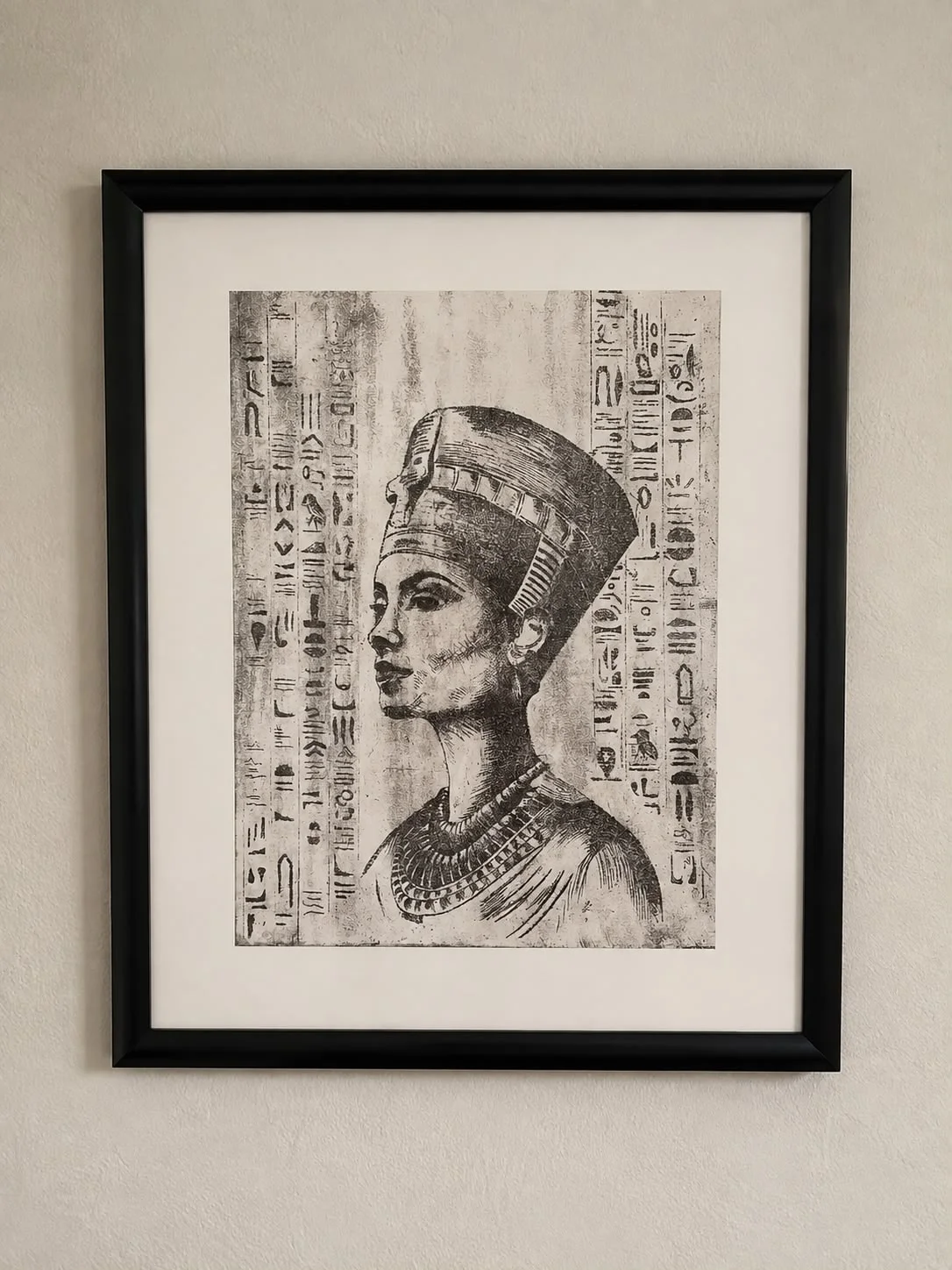
A similar rule applies to the wall: do not hang glazed, heavily framed work above a bed or cot. Textured, glass-free, light surfaces suit that position better.
Cleaning: be realistic#
Something will be spilled on that rug. The question is not whether, but what happens when it is.
That makes material choice functional here: acrylic yarn makes sense for a child's room. Bright colour, fade resistance, easy cleaning and a lower cost.
A practical note on colour: avoid very pale, single-colour grounds. Mid tones and patterns with several colours forgive stains.
I gathered what to do when a stain happens separately. The key rule: a handmade rug is never submerged, and cleaning stays at the surface.
Size: by age#
The function of a rug in a child's room changes with age, and so does the size.
Baby and crawling stage: a wide, uninterrupted area is needed, since the child spends time on the floor. Around 120x180, or whatever covers the play area.
Preschool: the play area still matters but bed and storage take more room. Between 100x150 and 120x180 is usually enough.
School age and beyond: the rug is no longer a play surface but a comfort. Around 80x120 beside the bed or under a desk is enough.
For wall pieces the sizing rule is the same as any room: about two thirds the width of the furniture beneath. I explained it in the sizing guide.
Choices that will not date#
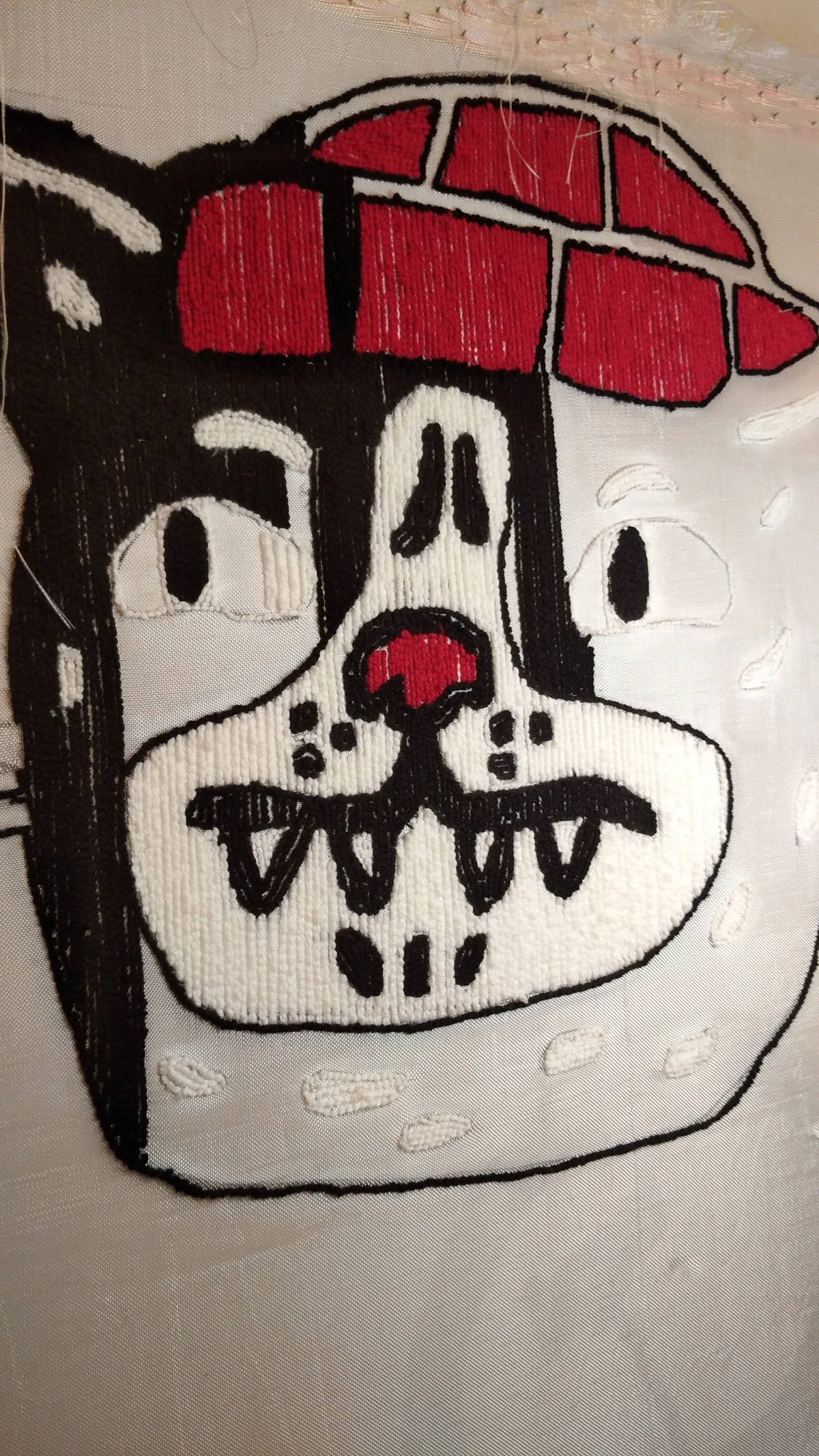
This is what people regret most. A cartoon character loved at three is being taken down at seven.
How to choose for the long term:
- Choose form over character. An animal silhouette, a mountain, a planet, abstracted forms live for years
- Do not build the palette around the child's current favourite colour. Let it agree with the room as a whole
- Work with a name. A name never dates; a character does. Name pieces are the most requested thing in a child's room for exactly this reason
- Neutral ground, coloured detail. With a calm ground, changing the detail is easy
A practical test: would you leave this piece in the room when the child is fifteen? If not, it is probably the wrong choice.
Why name rugs are so popular#
Children's rooms are one of the most common sources of custom commissions.
The reason is understandable: a name is both personal and timeless. And a child takes ownership of a space where they see their own name.
Things to watch in the design:
- Choose a bold, rounded typeface. Thin serif lettering struggles in tufting
- Keep the number of colours to two or three
- Keep the size at 80x120 or above so the name reads comfortably
I described the technical limits of name and logo work separately.
What to hang#
Walls in a child's room are more flexible than in a living room. Still, a few things work:
- Frame the child's own drawings. The cheapest and most meaningful solution
- Several small pieces at eye level rather than one large one. A child's eye level is lower than yours; 100-110 cm is a good start
- A textured surface. Children's rooms are acoustically live; a tufted panel softens both the sound and the room
- A changeable system. A hanging rail or a shelf lets the composition evolve as the child grows
I gathered hanging methods separately; in a child's room, two fixing points or a concealed cleat is far safer than a single nail.
Putting the budget in the right place#
A child's room changes fast. If you are making a lasting investment, put it into the timeless side (the rug or a name piece) not into a character or a trend.
A custom rug has a base price of 3,500 TL and is calculated per square metre. A simple 80x120 name piece sits around 9,500 - 11,600 TL. I explained the pricing in detail.
Where to start#
Photograph the room, including the bed and the play area. Tell us the child's age too, the size and surface recommendation largely depends on it.
You can choose size and technique on the custom order page, and see finished pieces in the gallery.
Frequently Asked Questions
Which rug suits a child's room?
One with a non-slip backing or pad, of medium thickness, without a fringe, and with a cut pile surface. Acrylic yarn makes sense: bright, fade-resistant and easy to clean. Avoid very pale single-colour grounds; mid tones forgive stains.
What size rug for a child's room?
It depends on age. For a baby or crawling stage you need a wide uninterrupted area, around 120x180. At preschool age 100x150 to 120x180 is enough. At school age the rug becomes a comfort rather than a play surface, so around 80x120 beside the bed or under a desk suffices.
Should a child's rug have a fringe?
Not recommended for small children, as a fringe can be chewed or tangled with. Small fingers and nails can also catch in the closed loops of loop pile, so cut pile is safer at that age.
How do you choose something that will not date?
Choose abstracted form over character; an animal silhouette or a planet lives for years, a cartoon character does not. Do not build the palette around the child's current favourite colour. A name is safest, because a name never dates. The test: would you leave this piece in the room when the child is fifteen?
What should go on the wall in a child's room?
Framing the child's own drawings is the most meaningful and cheapest solution. Several small pieces at eye level work better than one large one; a child's eye level is around 100-110 cm. A textured panel also softens the room acoustically. Never hang glazed, heavily framed work above a bed or cot.