Painting Techniques
Why Does Oil Paint Take So Long to Dry? 7 Ways to Speed Up the Drying Process
Why does oil paint take so long to dry, and how can the process be accelerated? The factors that affect drying time and seven practical techniques, from thin layers to alkyd mediums and the right working conditions.
Updated:
Oil paint is a unique painting medium that allows artists to blend colors for extended periods, build layers, and create different textures on a surface. However, one of the most common questions about this medium concerns its drying time. Especially when thick layers of paint are applied, a painting can take days or even weeks to dry.
So, why does oil paint take so long to dry? What factors affect its drying time, and is it possible to safely speed up the process?
Why Does Oil Paint Take So Long to Dry?
The main reason oil paint takes so long to dry is that, unlike acrylic paint, it does not dry simply through the evaporation of water or a solvent.
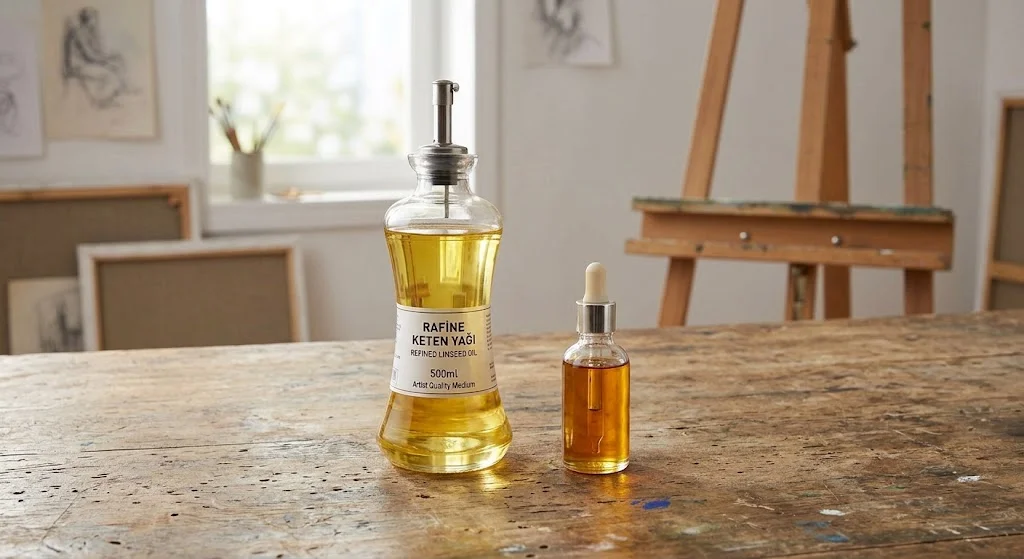
Oil paints are made by combining pigments with drying oils such as linseed oil, walnut oil, or poppy seed oil. The paint gradually hardens through a chemical reaction with oxygen in the air. This process is known as oxidation and polymerization.
In other words, oil paint dries through a chemical transformation rather than simply losing moisture through evaporation.
For this reason, the thickness of the paint, the pigments used, the type of oil, and the working environment directly affect drying time.
How Many Days Does Oil Paint Take to Dry?
The drying time of oil paint varies depending on the materials and painting techniques used.
- Thin paint layers: May become touch-dry within a few days.
- Medium-thickness layers: May take several days to a week or longer.
- Thick and textured paint applications: May remain wet or tacky for weeks.
There is an important distinction to remember: a painting feeling dry to the touch does not mean it has completely cured. The inner layers of paint also need time to harden. This process can take several months.
When working with heavily textured oil paintings, it is important not to judge the drying process solely by the surface.
7 Ways to Make Oil Paint Dry Faster
Although it is not possible to completely control the drying time of oil paint, certain techniques and material choices can help speed up the process.
1. Apply Paint in Thinner Layers
One of the most effective methods is to work with controlled layers instead of applying paint too thickly. Thin layers can interact with oxygen more easily and may harden faster.
Using thinner layers during the initial stages of a painting can be particularly helpful.
2. Use an Alkyd Medium
Alkyd medium is an additive used in oil painting to reduce drying time.
It can help oil paint dry faster than traditional oil-based techniques. It is particularly useful for artists who want to complete their work within a shorter period.
However, different mediums have different properties, so it is important to follow the manufacturer's recommended proportions.
3. Pay Attention to the Type of Oil You Use
Not all drying oils harden at the same rate.
For example, linseed oil generally dries faster than poppy seed and safflower oils. Therefore, choosing the right oil can influence the overall drying time of a painting.
4. Maintain a Suitable Room Temperature
Oil paint may dry more slowly in very cold environments. Working in a room with a stable, moderate temperature is generally more suitable.
Excessive heat, however, may cause the surface to dry faster while the underlying layers remain wet.
5. Ensure Gentle Air Circulation
Since oil paint hardens through a reaction with oxygen, proper ventilation in the working environment is important.
Gentle air circulation and avoiding enclosed, poorly ventilated spaces can be beneficial. However, strong airflow directed at the painting may cause dust to stick to the surface.
6. Choose Faster-Drying Pigments
The pigments used in oil paint can also affect drying time. Some earth pigments, particularly umber tones, tend to dry faster.
In contrast, certain black pigments and some organic pigments may dry more slowly.
For this reason, checking the pigment and drying information provided by the manufacturer can be useful when selecting colors.
7. Follow the Layering Principle: Fat Over Lean
One of the fundamental principles of oil painting is Fat Over Lean, which means applying a fatter, oil-rich layer over a leaner, less oily layer.
The initial stages of a painting are usually created with thinner layers containing less oil. As the painting progresses, the oil content can be gradually increased in the upper layers.
This technique helps maintain compatibility between layers with different drying rates and reduces the risk of future cracking.
What Should You Avoid When Trying to Speed Up Oil Paint Drying?
When attempting to shorten drying time, certain practices should be avoided.
- Do not apply direct hot air using a hair dryer.
- Do not place the painting on a radiator or heater.
- Do not use excessive amounts of chemical drying agents.
- Do not add too much oil and alter the paint's composition uncontrollably.
- Do not varnish a painting before it has sufficiently cured.
In particular, excessive use of drying additives can negatively affect the durability of the paint film.
Why Is Drying Time Important When Ordering an Oil Painting?
Creating an oil painting does not end with the painting process itself. Once the artwork is completed, drying, packaging, and delivery must also be carefully planned.
Paintings featuring thick brushstrokes, pronounced textures, and multiple layers may require significantly more time to dry.
An artist must not only preserve the texture requested by the customer but also ensure that the artwork can be delivered safely.
For this reason, when commissioning an oil painting, it is important to remember that the delivery time may vary depending on the technique and the amount of paint used.
What Should You Consider Before Ordering an Oil Painting?
Ordering an oil painting involves much more than simply transferring an image onto a canvas. The process brings together several important elements, including artistic technique, materials, dimensions, and the artist's personal interpretation.
Considering a few details before placing your order can help you receive an artwork that matches your expectations and that you will enjoy displaying for years to come.
- Choose the Right Canvas Size and Display Area: Before placing an order, consider where you would like to display your painting. The size of the wall, furniture placement, and overall atmosphere of the room can help you determine the appropriate dimensions. Smaller paintings may work beautifully in compact spaces, while larger artworks can create an impressive focal point on wider walls.
- Understand the Painting Technique: Oil painting is distinguished by its rich colors, smooth transitions, and unique textural qualities. Ask whether your commissioned artwork will be created entirely with oil paint or combined with acrylics or other materials. If you prefer visible brushstrokes and thick, textured paint applications, make sure to communicate this to the artist beforehand.
- Share Your Reference Images and Expectations: If you are ordering a custom painting, share your preferred photograph or visual references with the artist. There is an important difference between reproducing a photograph and creating an original artwork inspired by it. Discussing details such as color, composition, background, and expression will help ensure a result that meets your expectations.
- Explore the Artist's Previous Work: Before placing an order, take some time to explore the artist's portfolio. Look at their previous portraits, landscapes, use of color, and painting techniques. Choosing an artist whose style aligns with your preferences is an important part of the commissioning process.
- Ask About Production and Drying Time: The time required to complete an oil painting depends on the technique and thickness of the paint layers. Thick and heavily textured paintings generally require longer drying periods. If you need your artwork by a specific date, discuss the production, drying, and delivery timeline before confirming your order.
- Understand What Is Included in the Price: The price of an oil painting is not determined by its dimensions alone. Materials, level of detail, artistic labor, framing, and shipping may also affect the final cost. Before placing your order, clarify whether framing, packaging, and delivery fees are included.
- Discuss Packaging and Delivery: Oil paintings require careful handling during transportation to prevent damage to the painted surface. This is especially important for artworks with thick paint applications or surfaces that have not fully cured. Discuss the delivery method and protective packaging with the artist in advance. Commissioning a custom oil painting is a creative collaboration between an artist and a client. Clearly communicating your expectations, exploring the artist's portfolio, and discussing technical details beforehand can help bring your vision to life.
Remember, a handmade artwork is more than a decorative object. It carries the artist's effort, interpretation, and creativity.
Turn your vision into a unique work of art, created especially for you.
Patience Is Part of the Oil Painting Process
With its rich colors, textural qualities, and ability to build layers, oil paint offers artists a wide range of creative possibilities. Although its slow drying time may sometimes seem like a disadvantage, it also gives artists more time to work on their paintings and make adjustments.
With the right materials, controlled layering, and suitable working conditions, the drying process can be managed more efficiently. However, it is important to remember that every artwork has its own drying time.
Sometimes, the beauty of art lies in the patience it requires.
Frequently Asked Questions
What is the difference between the drying time of oil paint and acrylic paint?
Acrylic paint dries mainly through water evaporation, whereas oil paint hardens through a chemical reaction with oxygen. As a result, oil paint generally takes much longer to dry.
What Should You Consider Before Ordering an Oil Painting?
Ordering an oil painting involves much more than simply transferring an image onto a canvas. The process brings together several important elements, including artistic technique, materials, dimensions, and the artist's personal interpretation. The seven points to consider are in the ordering section of this article.
Can oil paintings be displayed in direct sunlight?
It is generally not recommended to expose oil paintings to prolonged direct sunlight. Light and temperature fluctuations may contribute to deterioration over time. A stable environment away from direct sunlight is preferable.
What kind of photo should you provide for a custom oil painting portrait?
Clear, high-resolution photographs with good lighting are ideal. For portrait commissions, visible facial details and well-defined highlights and shadows help the artist create a more accurate and expressive interpretation.
Where should you hang an oil painting at home?
It is best to hang an oil painting away from direct sunlight, excessive humidity, radiators, and other heat sources. A stable indoor environment helps protect the artwork.
Why can an oil painting be more expensive than other types of paintings?
The price depends on more than the size. Material quality, working time, level of detail, the artist's experience, and the originality of the artwork all contribute to its value. The drying process can also affect the production schedule.
Which has more vibrant colors: oil paint or acrylic paint?
Both mediums can produce vivid and expressive colors. Oil paint is particularly valued for its depth and smooth color transitions, while acrylic paint is popular for its quick drying time and versatility. The result depends on the pigments and painting technique.
How long does it take to finish an oil-painted digital print?
The time depends on the size of the artwork, the areas covered with oil paint, and the desired texture. Because the underlying image is already prepared, the process can be faster than creating an entire oil painting from scratch. The paint must still be allowed to dry sufficiently before delivery.