Inspiration
How to Soften Dried Oil Paint: Ways to Reuse Dried Oil Paint
Whether dried oil paint can be reused depends on how much it has hardened. Slightly dried paint on a palette may sometimes be made workable again with a suitable oil or medium, while completely hardened paint generally cannot be restored. This guide explains how to deal with dried oil paint safely and how to prevent unnecessary drying.
How to Soften Dried Oil Paint: Ways to Reuse Dried Oil Paint
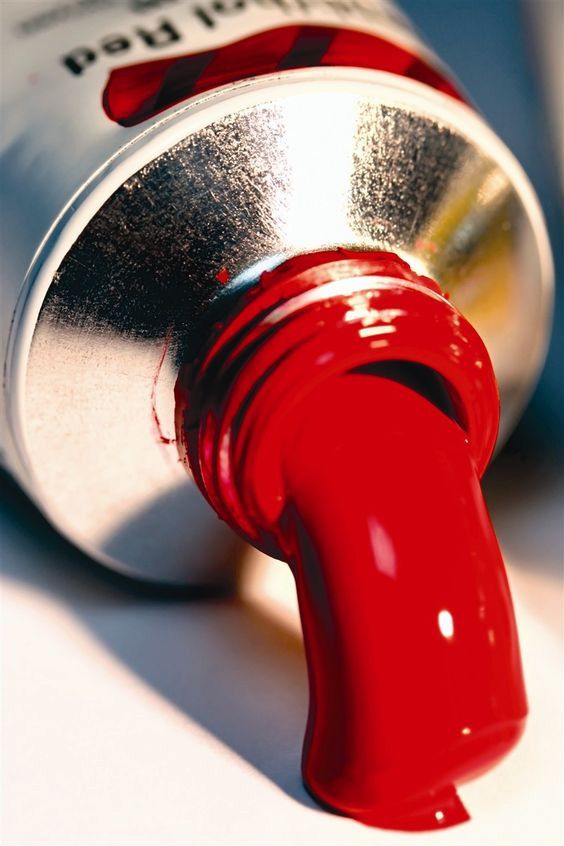
Anyone who works with oil paint has probably experienced this at least once: paint left on the palette that has started to harden, paint drying around the opening of a tube, or a tube that was not closed properly and has begun to dry out.
Especially when it is one of your favorite colors, it can be frustrating to throw it away before the paint is completely used. So, can dried oil paint be reused?
The answer depends on how dry the paint is and where it has dried.
How to Soften Oil Paint That Has Dried on the Palette
If the oil paint on your palette has started to dry but is not completely hard, it may still be possible to bring it back to a workable consistency.
First, check the condition of the paint. If it is still slightly flexible or soft underneath, you can try adding a very small amount of an oil painting medium or a suitable drying oil and gently mixing it into the paint.
The goal is not to turn the paint into a liquid, but to carefully restore some of its workable consistency.
For example, linseed oil can sometimes be used for this purpose. However, adding too much oil can change the characteristics of the paint, increase its drying time, and potentially create unwanted gloss or wrinkling on the surface.
For this reason, it is better to start with just a few drops and mix the paint thoroughly.
Can Completely Dried Oil Paint Be Reused?
If the oil paint has become completely hard and has lost its flexibility, it is generally not possible to return it to its original condition.
Oil paint hardens through oxidation as the oil reacts with oxygen. This is different from simply drying through water evaporation. Because of this, adding water or randomly applying solvents to a completely hardened piece of paint will not restore it to a fresh, workable state.
For professional artwork, it is usually safer to replace completely hardened paint rather than trying to break it down or dissolve it with chemicals.
Oil Paint That Has Dried Around the Tube Opening
Sometimes the paint itself has not dried completely and only the area around the opening of the tube has hardened.
In this case, carefully remove the dried paint around the opening and check the consistency of the paint inside the tube.
If the paint inside is still in good condition, it can generally continue to be used. Just be careful not to allow dried pieces to mix into the fresh paint.
To prevent this from happening again, clean the opening of the tube before closing the cap. This helps the cap seal properly and reduces air exposure.
Can You Use Water to Soften Oil Paint?
No. Oil paint is not water-based, so water is not an appropriate way to soften dried oil paint.
This is an important distinction between acrylic and oil paint. Water can be used with acrylics in certain amounts, while oil paint is designed to work with oils and appropriate oil-paint mediums.
Soaking dried oil paint in water or adding water to it will not restore its original consistency.
Can Solvents Rehydrate Dried Oil Paint?
Solvents such as turpentine or mineral spirits are commonly used with oil paint. However, they are not a reliable way to restore completely dried oil paint.
Solvents can thin fresh or wet oil paint, but they do not simply turn a fully oxidized and hardened paint film back into fresh paint.
If you are thinking about dissolving dried paint on a finished painting, extra caution is necessary. Solvents can damage the surface and underlying paint layers.
How to Soften Dried Oil Paint on a Canvas
This is a completely different situation.
If we are talking about a finished oil painting or a painting that you are still working on, applying oil, solvent, or another substance directly to dried paint can be risky.
Once oil paint has cured, it forms a solid paint film. Trying to soften that layer can potentially damage the paint underneath or even the canvas itself.
If you want to clean, alter, or remove dried paint from an old painting, the safest approach is to consult a professional painting conservator rather than experimenting with solvents yourself.
How to Prevent Oil Paint from Drying Out
The best way to deal with dried paint is to prevent unnecessary drying in the first place.
If you are working on a palette, try to reduce the paint's exposure to air when you are not using it. Covering the palette with a suitable lid and keeping it in a cool place away from direct sunlight can help extend the paint's working time.
When using paint tubes, it is also important to keep the area around the cap clean. Dried paint around the opening can prevent the tube from closing properly and allow more air inside.
Another simple habit is to avoid squeezing more paint onto the palette than you actually need. This helps reduce unnecessary waste.
Can Every Type of Dried Oil Paint Be Saved?
In short, how dry the paint is matters a lot.
Oil paint that is still slightly soft or flexible may sometimes be made workable again with a suitable oil-paint medium or oil, used carefully. However, completely hardened oil paint generally cannot be restored to its original condition.
This is why it is worth being cautious with online methods that claim to make completely dried oil paint usable again. Water, strong solvents, or household products can produce unpredictable results and may damage the paint.
When working with oil paint, the safest approach is to assess the condition of the paint first and avoid unnecessary interventions that could alter its structure.
If the paint has only started to thicken, you can test a suitable oil-paint medium on a small amount first. But if the paint has completely hardened, replacing it is usually the best option.