Inspiration
How to Make a Wet Palette: A Simple Wet Palette for Acrylic Painting
A wet palette is a practical tool that helps keep acrylic paint moist and workable for longer on the palette. In this guide, we explain how to make a wet palette at home, which materials you need, how to prepare it, and what to consider when using one.
How to Make a Wet Palette: A Simple Wet Palette for Acrylic Painting
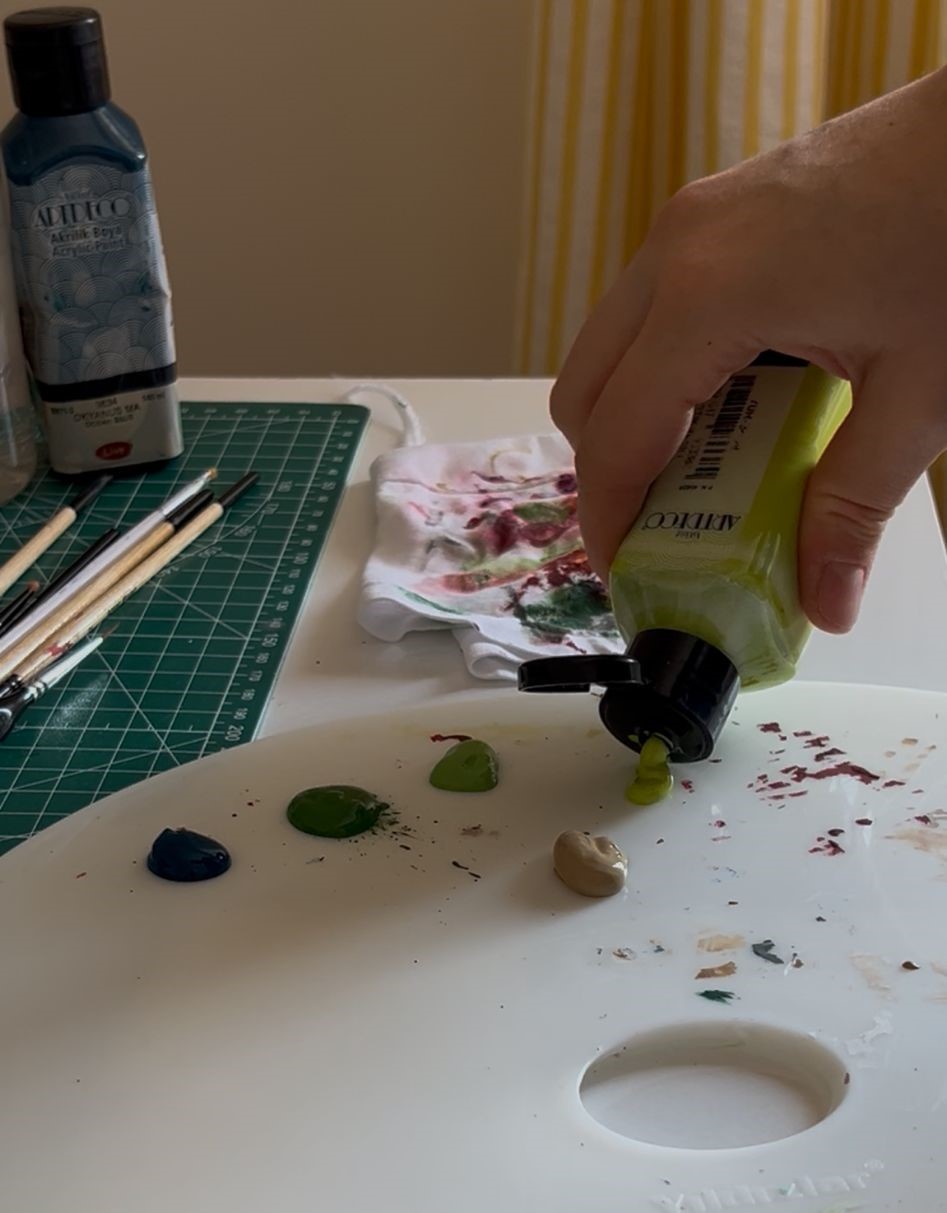
When working with acrylic paint, having your paint dry too quickly on the palette can be quite frustrating. Especially if you are working for a long time, mixing colors, or using the same tones repeatedly, paint drying quickly can lead to unnecessary waste and interrupt your creative process.
This is where a wet palette can be a very practical solution. And the good news is that you don't need to buy a ready-made wet palette. You can easily make one at home using a few simple materials.
What Is a Wet Palette?
A wet palette is a type of palette with a moist layer underneath that helps acrylic paint retain its moisture for longer.
It is particularly useful for artists who work with acrylics. By slowing down how quickly the paint dries on the palette, it gives you more time to work with and mix your colors.
There is one important distinction, though: a wet palette does not stop acrylic paint from drying on the canvas. Its main purpose is to extend the working time of paint on the palette.
How to Make a Wet Palette at Home
You don't need many materials to make your own wet palette.
Materials You Will Need A shallow container with a lid Water An absorbent sponge or thick absorbent paper Parchment paper Acrylic paints
The container does not need to be deep. A wide, flat container where you can comfortably arrange your paints will work well.
How to Prepare a Wet Palette
First, place a thin sponge or several layers of absorbent paper at the bottom of the container.
Add enough water to thoroughly moisten the material. The goal is not to have standing water in the container, but to keep the bottom layer damp. If there is excess water, pour it out.
Then place a sheet of parchment paper on top. The moisture underneath should be able to reach the surface, but the paint should not be sitting directly in water.
Place your acrylic paints on the parchment paper and start painting.
If your container has a lid, close it whenever you take a break. This helps maintain the moisture inside and keeps the paint workable for longer.
What Should You Pay Attention to When Using a Wet Palette?
A wetter palette is not necessarily a better palette. If there is too much water underneath, the paint may absorb more moisture than intended and its consistency can change.
For this reason, it is better to keep the palette moist rather than wet or flooded.
If you are not going to use your palette for an extended period, check it regularly and add a little more water to the bottom layer when necessary.
Also keep in mind that different types of parchment paper can behave differently. Pay attention to how your paint sits on the surface and experiment until you find the materials that work best for you.
Advantages of Using a Wet Palette
The biggest advantage of a wet palette is that it helps keep acrylic paint workable for longer on the palette.
It can also:
Reduce paint waste. Give you more time to mix colors. Make long painting sessions more comfortable. Reduce the need to repeatedly mix the same colors. Be easily prepared at home.
If you enjoy taking your time with detailed paintings or simply prefer not to rush while working with acrylics, a wet palette can be incredibly useful.
Acrylic paint may dry quickly, but with the right working methods, you can extend the life of your paint on the palette.
With a shallow container, an absorbent layer, parchment paper, and some water, you can easily make your own wet palette at home.
If you find yourself constantly frustrated by acrylic paint drying on your palette, a wet palette is definitely worth trying. It is a simple tool, but it can make a noticeable difference, especially during longer painting sessions.