Decor
How to Choose a Studio for a Commission: A Seven-Point Checklist
How do you lower the risk when commissioning handmade work online? Seven questions to ask any studio about price, deposit, timing and communication.
Updated:
Commissioning something online carries a different risk from buying a finished product. The object does not exist yet, there is no photograph of it, the deposit is paid up front and returns do not work the same way. On top of that, the other party is usually a small studio or one person.
This article gives seven questions you can ask any studio. I have written my own answers too, partly to be useful, and partly so you can measure us by the same yardstick.
1. How is the price calculated?#
The first and most revealing question. A good studio can explain how a price is formed: size, technique, labour, materials.
Warning signs: never stating a price and always saying "get in touch"; quoting different prices for two pieces of the same size with no reason; dropping by half at the first sign of negotiation. That last one matters most, a price that halves easily was inflated to begin with.
Our answer: price comes from area, technique and detail density, and the calculator is public on the site. I wrote out the full calculation with figures.
2. How much is the deposit and what does it cover?#
A deposit is normal on custom work, since the piece cannot be sold to anyone else, the studio spends materials and time up front.
A reasonable range is 30-50 per cent. Well above that, and especially a demand for full payment, shifts the entire risk onto the buyer.
The real question: what does the deposit cover, and what happens if production never starts?
Our answer: production begins with a 30 per cent deposit covering up-front costs such as yarn and frame setup. The balance is paid when the piece is finished, before delivery.
3. When is the firm price given, and can it change?#
An estimate and a firm price are different things. The critical question is whether the price can change after quoting.
Warning sign: extra charges appearing mid-production for reasons like "material prices went up" or "it turned out harder than expected". That means the risk sits on the wrong side.
Our answer: the estimate on the site is a band of plus or minus ten per cent, because on handmade work the hours depend on pattern complexity. The firm price given after reviewing the image does not change.
4. Are progress images sent during production?#
This is the most distinguishing question. A studio that shows nothing during production is one that will inform you only at the end, and by then nothing can be changed.
Ask: at which stages do you send images, and at which stage can changes still be made?
Our answer: I take draft approval at the design stage and send progress images during production. At the design stage anything can change; after transfer to the cloth colour can still be adjusted but composition becomes difficult; after the backing is applied nothing can. I wrote out what can change at which stage in detail.
5. Is the lead time realistic?#
The time a handmade piece takes depends on material and size. Very short promises mean either not knowing the workload or cutting quality.
For comparison: filling one square metre of tufted surface takes one to three days depending on the design, and to that you add design, frame setup, curing, shearing and finishing. I described all seven stages.
So a studio promising delivery in three days is either not making it by hand or skipping a step.
Our answer: about 21 days. Large or highly detailed pieces take longer; a firm date is given when the order is confirmed.
6. What happens if you do not like it?#
An honest studio speaks plainly here. On custom work there is usually no standard returns process, because the piece cannot be sold to anyone else.
The warning sign is the opposite: a studio that says "return it if you are unhappy" without explaining how. Either they will not honour it, or the work is not genuinely made to order.
The real question: if there is no return, what do you do to reduce the chance of disappointment?
Our answer: there is no returns process and I say so up front. In exchange the risk is resolved at the start. I review the image before quoting and say if it will be difficult, take approval before the design is transferred, and send progress images during production.
7. Is there a traceable record?#
The last and most practical check. Can you see the studio's past work, does it follow a consistent line, is there real production behind it?
What to look for:
- Photographs of finished work, not just renders or stock images
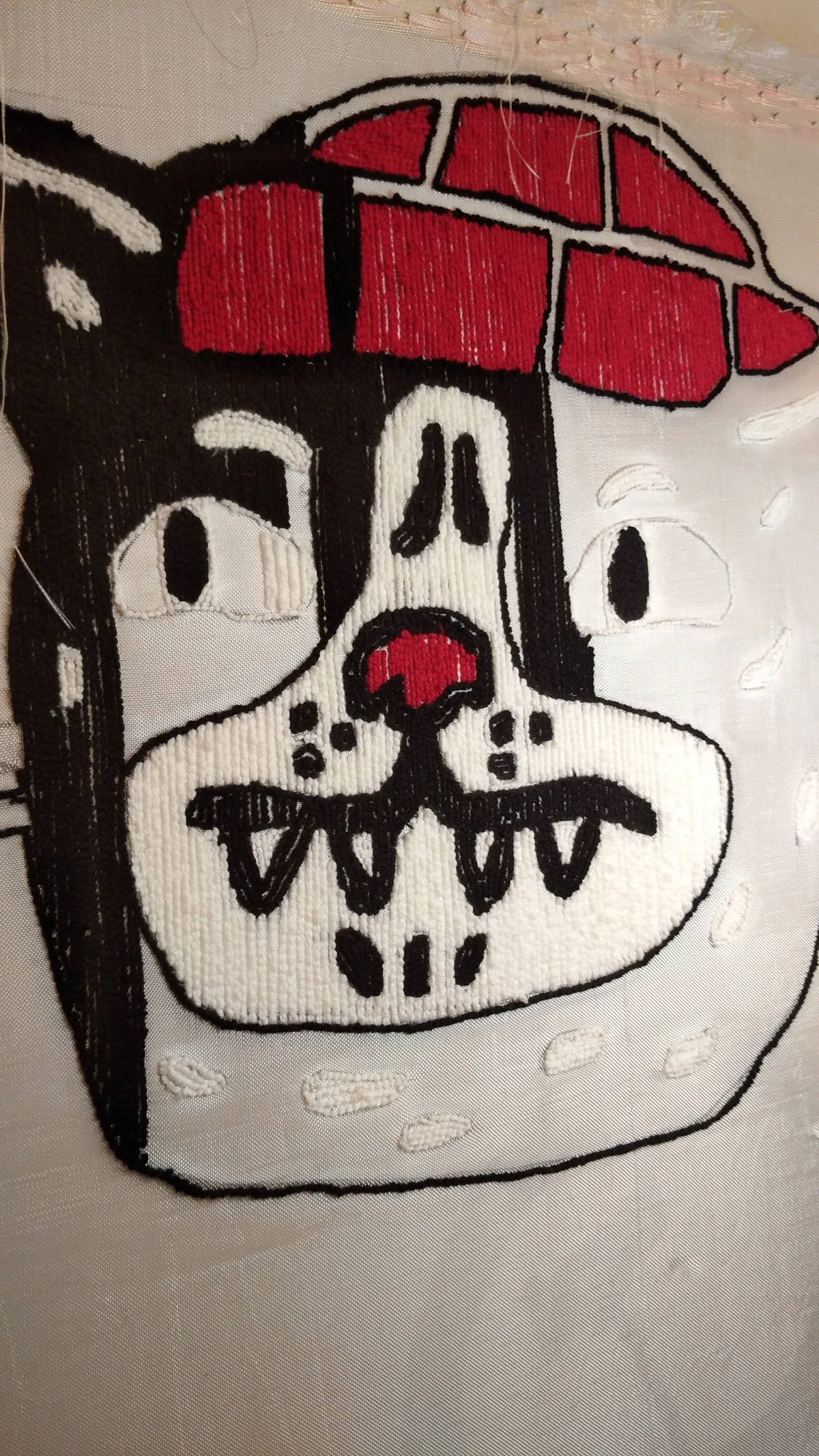
- Frames from the production stages. A studio photograph is the hardest thing to fake
- A consistent technical level across the work
- How quickly and how clearly messages are answered
Response speed and clarity is, to me, one of the best indicators. A studio that will not answer clearly before an order will answer even less afterwards.
Our answer: the gallery shows finished work with dimensions, technique and prices; the blog carries the production process and studio notes. There is also an artist page.
Red flags#
Summarising the above, the situations to walk away from:
- Never stating a price, always redirecting to messages
- A price that halves easily
- A demand for full payment
- Extra charges appearing during production
- An implausibly short lead time for handmade work
- No images at all during the process
- Vague and delayed answers to questions
- Only stock or rendered images, no real production photographs
Check yourself too#
Part of the risk sits on the buyer's side. What I encounter most:
- Not stating a budget up front and then negotiating. Said early, the size and detail can be built to it
- Rushing. If it must arrive by a date, write at least a month ahead
- Staying quiet at the design stage and speaking at the end. The most critical mistake, changes are free then and impossible later
- Sending a poor reference image. I wrote about which images work separately
Choosing with confidence#
Working with a studio that answers these seven questions clearly removes most of the risk. A studio that cannot answer, or brushes them aside, is best avoided, however attractive the price.
If you are considering working with us, I wrote out the whole commission process end to end; if there is anything else you want to ask, write through the contact page or directly from the order form.
Where to verify these points at Peck Art Studio#
The claims a studio makes should have a visible counterpart on its website. At Peck Art Studio, the artist's identity and working approach appear on the about page, while completed works are shown in the tufting and painting collections. Individual work pages bring dimensions, technique, year, price and availability together.
Reference images for commissions are not uploaded to the public gallery. The form accepts up to three images, and conversation continues with the tracking code created after the request. You can see an estimate based on dimensions and detail level on the custom order page before placing an order.
A trust check should also cover the difficult scenario in advance. Acceptance of a shipment, damage notification and return coverage should be clear in the delivery and returns terms. Read them before payment and ask about anything that is unclear.
If these checks meet your expectations, continue to the relevant collection for a finished work. If you need your own dimensions or image, send the reference and calculate the price.
Frequently Asked Questions
Is paying a deposit normal for a handmade commission?
Yes. Since a custom piece cannot be sold to anyone else, the studio spends materials and time up front. A reasonable range is 30-50 per cent; well above that, and especially a demand for full payment, shifts all the risk onto the buyer.
How do I know a studio is trustworthy?
It can explain how the price is calculated, the firm price does not change after quoting, it sends progress images, gives a realistic lead time, speaks plainly about returns, and shows genuine photographs of finished work. How quickly and clearly it answers messages is another good indicator.
Is there a right of return on a commission?
Usually not, because a custom piece cannot be sold to anyone else. An honest studio says so up front. The real question is what they do instead to reduce disappointment: reviewing the image before quoting, taking design approval, and sending progress images.
How long should a handmade piece take?
Filling one square metre of tufted surface takes one to three days depending on the design, plus design, frame setup, curing, shearing and finishing. Around 21 days is realistic. Very short promises suggest either the work is not handmade or a step is being skipped.
Is it normal for extra charges to appear mid-order?
No. Charges appearing after a firm quote for reasons like rising material costs or unexpected difficulty mean the risk sits on the wrong side. Reviewing the image before quoting prevents this.