Decor
Choosing a Frame: Material, Colour, Mount and Glazing
A frame either completes a piece or overpowers it. How to decide on material, colour, width, mount and glazing, and when leaving it unframed is better.
Updated:
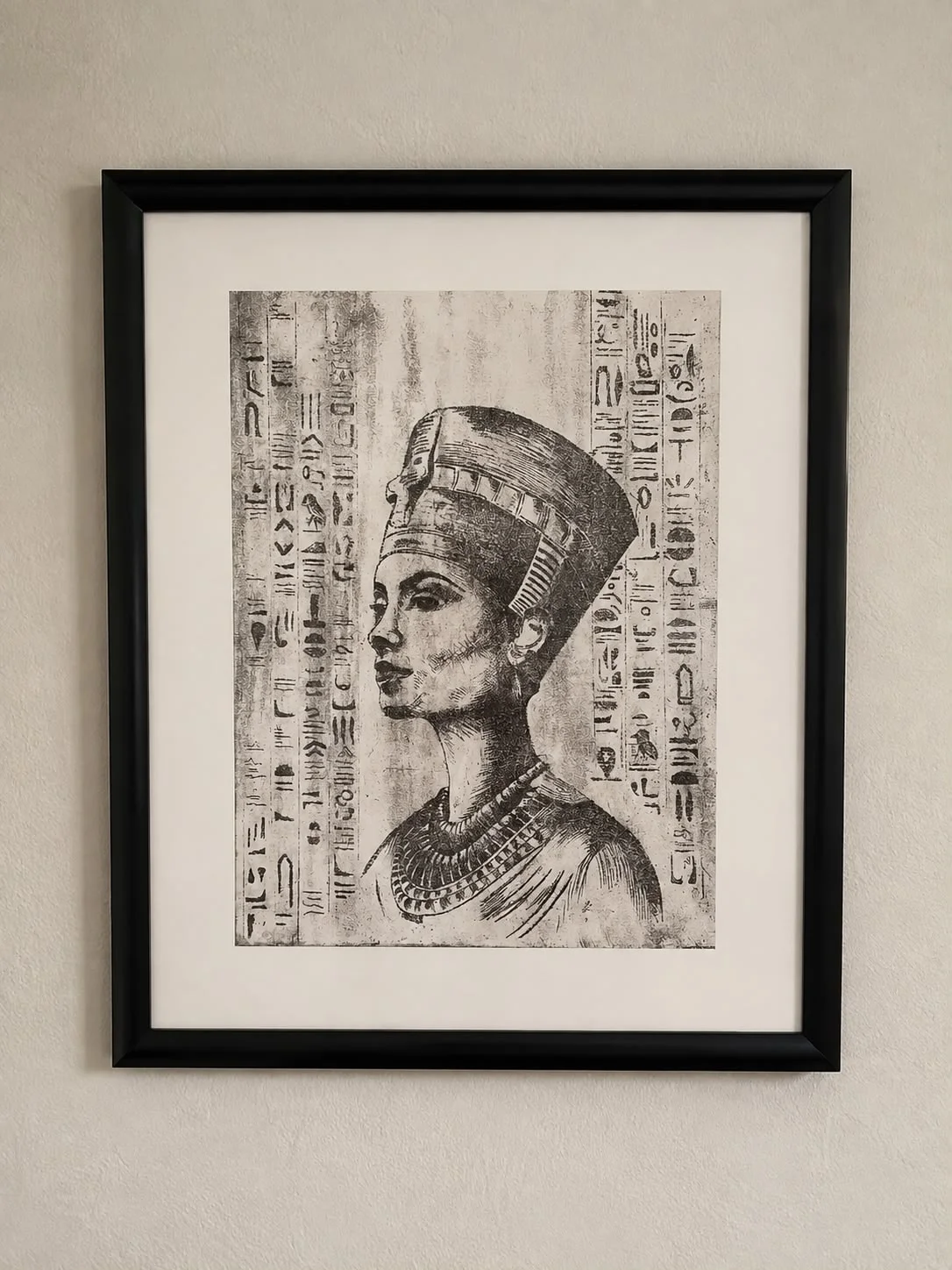
A frame is not an accessory added afterwards; it is the relationship the piece has with the wall. A well-chosen frame finishes the work, while a badly chosen one announces itself before the art does.
This article takes five decisions in order: whether to frame at all, which material, which colour and width, whether to use a mount, and whether to glaze.
First decision: does it need a frame#
The answer is not always yes.
When leaving it unframed is better:
- Canvases with painted edges. If the sides are part of the work, a frame hides them
- Contemporary, graphic work. A frame brings a classical association and pulls the piece backwards
- Deep-stretcher canvases. They already have presence; a frame weighs them down
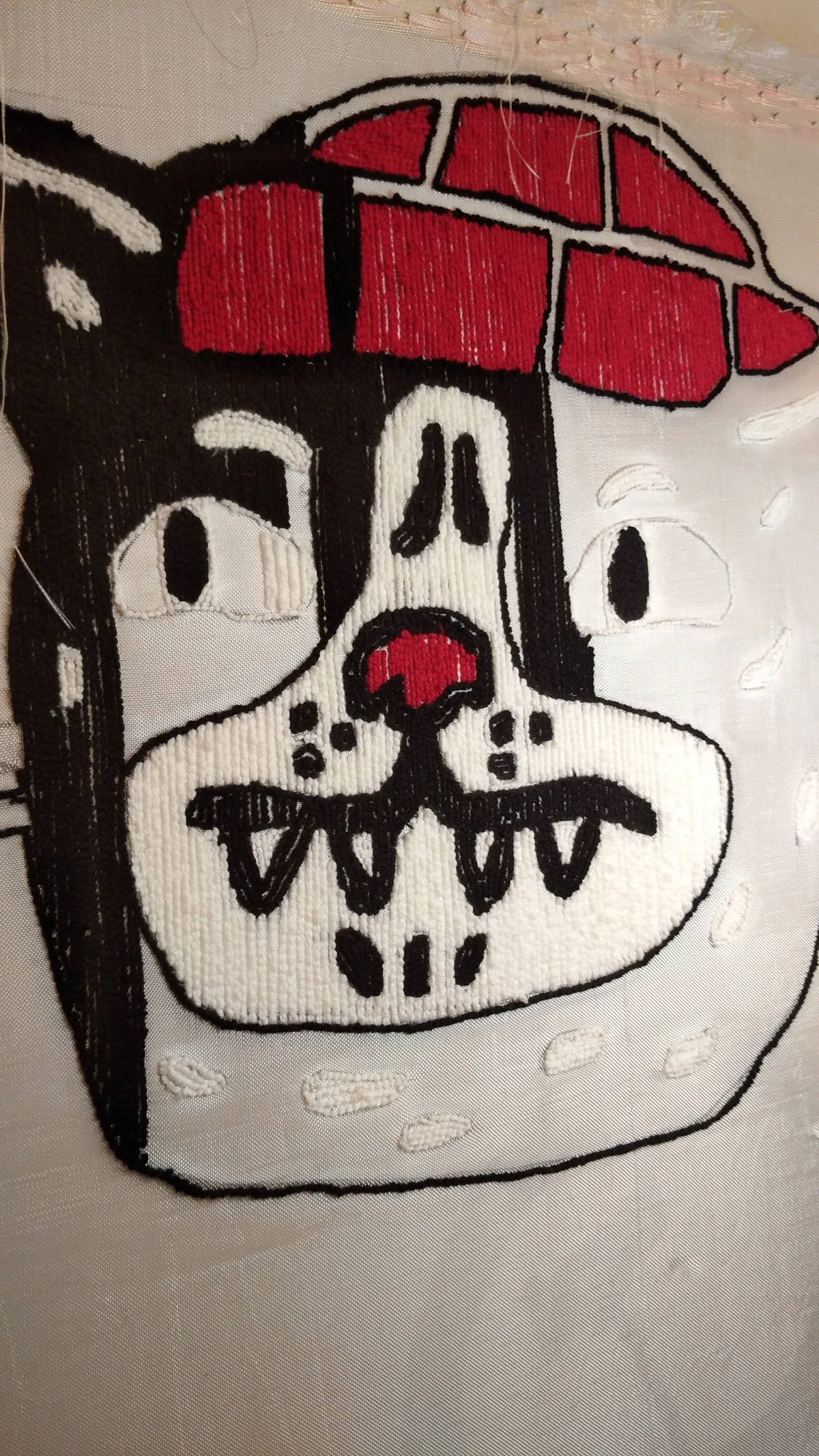
- Textured surfaces. Glass and a frame on a tufted panel cancel the entire point of the technique
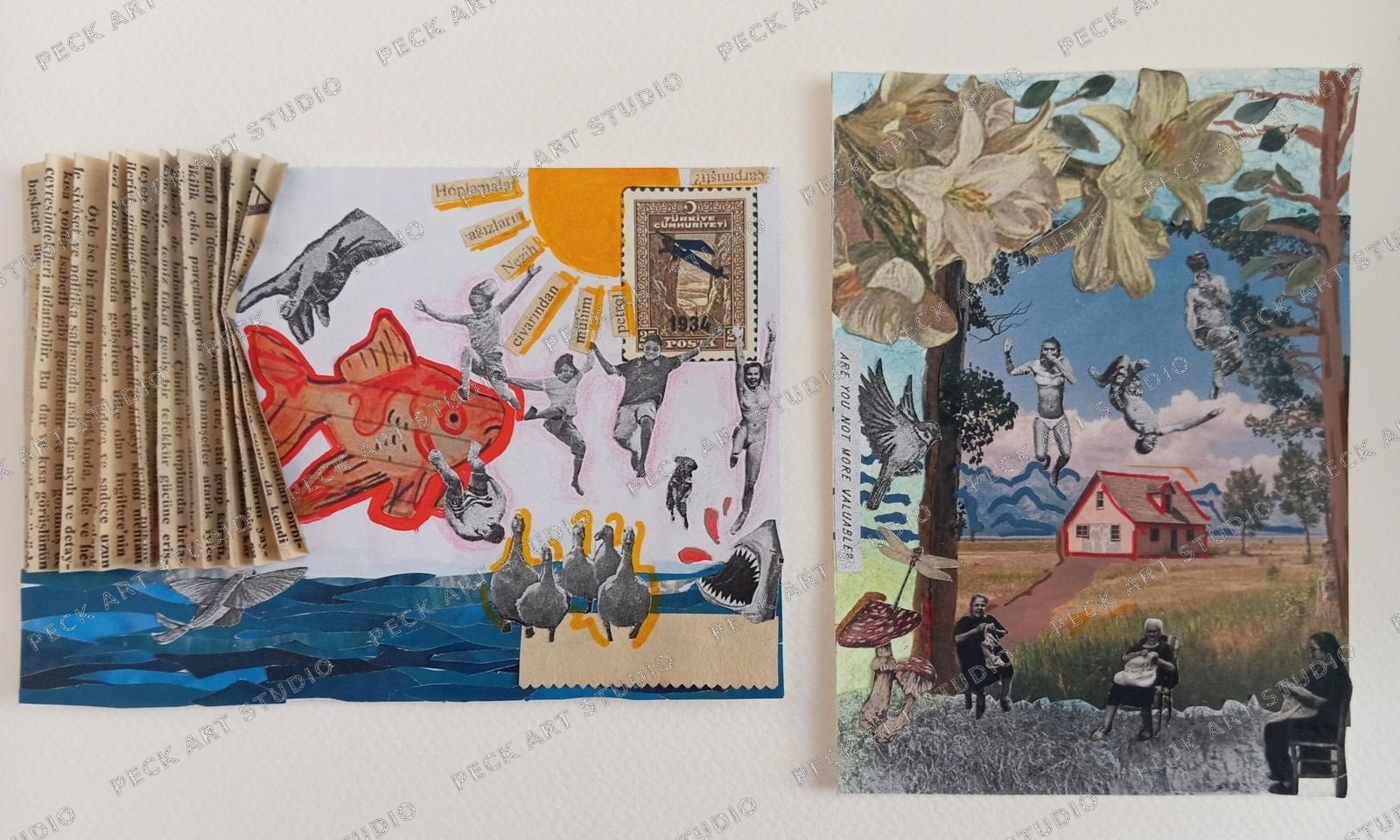
When a frame is needed: works on paper (prints, watercolour, etching), small canvases on thin stretchers, and pieces to be shown in a classical interior.
On paper, framing is not aesthetic but protective; paper does not withstand moisture or handling.
Material#
Three main routes.
Wood is the most common and the most flexible. Natural wood reads warm, painted wood takes any colour. It adapts to every style from classical to modern.
Metal, usually aluminium, gives a thin, sharp line. It works well with contemporary work and photography, and stays rigid at profiles thinner than wood allows.
Composite and plastic mouldings are the cheap option. They resemble wood from a distance but not up close, and they discolour over time. Reasonable as a temporary solution, not for a lasting piece.
At Peck Art Studio a wooden frame is offered through custom orders at a fixed 2,000 TL.
Colour and width#
This is where the most common mistake happens: the frame draws more attention than the work.
Three safe routes for colour:
- Take the quietest colour within the piece, not the dominant one. Repeating the dominant colour in the frame makes the whole thing monotonous
- Stay neutral. Black, white, natural wood and dark grey work with almost anything
- Choose close to the wall colour. The frame recedes and the piece steps forward
A practical rule for width: as the piece grows, the frame can widen. On a 30x40 work a slim 2-3 cm profile is enough; on 70x100, 4-6 cm sits better. A small piece in a wide frame almost always looks wrong.
Gilt and silver mouldings are lovely on classical work but bring a period association to a contemporary painting. Avoid them unless it is a deliberate choice.
Mounts: what they do#
A mount is the card space between the work and the frame.
It has two jobs. The first is visual: it gives the piece room to breathe and focuses the eye. A small work reads far more strongly on a wall with a generous mount.
The second is protective: on works on paper it keeps the piece from touching the glass. Paper stuck to glass suffers irreversible damage over time. So on etchings and prints a mount is a requirement, not a preference.
A sizing rule: the mount should be wider than the frame. Leaving the bottom edge slightly deeper, the classical method, gives the piece visual balance.
Colour: off-white and pale grey are safest. A coloured mount works if it repeats a colour in the piece; otherwise it distracts.
On the site's gallery cards, works in the painting category are shown framed and can be previewed with an optional mount.
To glaze or not#
This decision follows the technique.
Glazing is required for anything on paper: prints, etchings, watercolour, pencil. These do not withstand dust, moisture or contact.
Glazing is unnecessary for oil and acrylic canvases. Varnish already forms a protective layer, and an oil painting under glass cannot breathe.
If you are choosing glass:
- Ordinary glass: cheap but reflective. In a bright room it can make the piece invisible
- Anti-reflective glass: significantly reduces glare, expensive
- Acrylic glazing (perspex): light and unbreakable. Sensible at large sizes and in children's rooms, though less scratch-resistant than glass
For work above a bed, weight and fragility make acrylic glazing or no glazing the better choice. I covered that in bedroom wall decor.
Framing several pieces#
If a group is going up, frame decisions should be made collectively rather than one at a time.
The safest route is using the same frame throughout. Frames of different sizes but identical profile and colour turn even very different works into a group.
A second route is varying the frames but keeping the mount constant. A consistent mount colour is also a unifying element.
What not to do is choose the individually perfect frame for each piece. Each is right alone, but the group reads as clutter. I covered group arrangement in the empty wall article.
Where to put the budget#
Framing costs rise fast and can approach the cost of the piece. An order of priority:
- A valuable work on paper: mount and good glazing first, the frame can be plain
- A work on canvas: framing is entirely optional and it can go unglazed
- Many pieces: fewer good frames beat many cheap ones
A cheap frame makes an expensive piece look cheap; a plain, good frame is never wrong.
Hanging#
Once the frame is chosen, hanging follows: wall type, fixing system and height are a separate subject. I gathered them in how to hang a picture.
If you are considering a piece, the gallery lists technique and dimensions for each work; if you want it produced framed, you can say so through the custom order page.
Frequently Asked Questions
Does every painting need a frame?
No. Canvases with painted edges, contemporary graphic work, deep-stretcher canvases and textured surfaces look better unframed. A frame is mainly needed for works on paper — prints, etchings, watercolour — where it is protective rather than aesthetic.
How do you choose a frame colour?
Three safe routes: take the quietest colour in the piece (not the dominant one, which creates monotony), stay neutral (black, white, natural wood, dark grey), or choose close to the wall colour. The most common mistake is a frame that draws more attention than the work.
What does a mount do?
Two things. Visually it gives the piece room to breathe and focuses the eye; a small work reads far more strongly with a generous mount. Protectively, on works on paper it stops the piece touching the glass — paper stuck to glass suffers irreversible damage.
Should an oil painting be framed under glass?
It does not need to be. Varnish already forms a protective layer, and an oil painting under glass cannot breathe. Glazing is mainly required for works on paper: prints, etchings, watercolour and pencil.
How should you frame several pieces?
Decide collectively rather than one by one. The safest route is the same profile and colour throughout; even at different sizes it turns very different works into a group. Alternatively vary the frames but keep the mount colour constant. Choosing the individually perfect frame for each piece reads as clutter together.