Inspiration
Original or Print? The Difference in Price, Value and Ownership
An original painting, an original print and a reproduction differ. What separates them, what sets the price, and what to check when buying your first piece.
Updated:
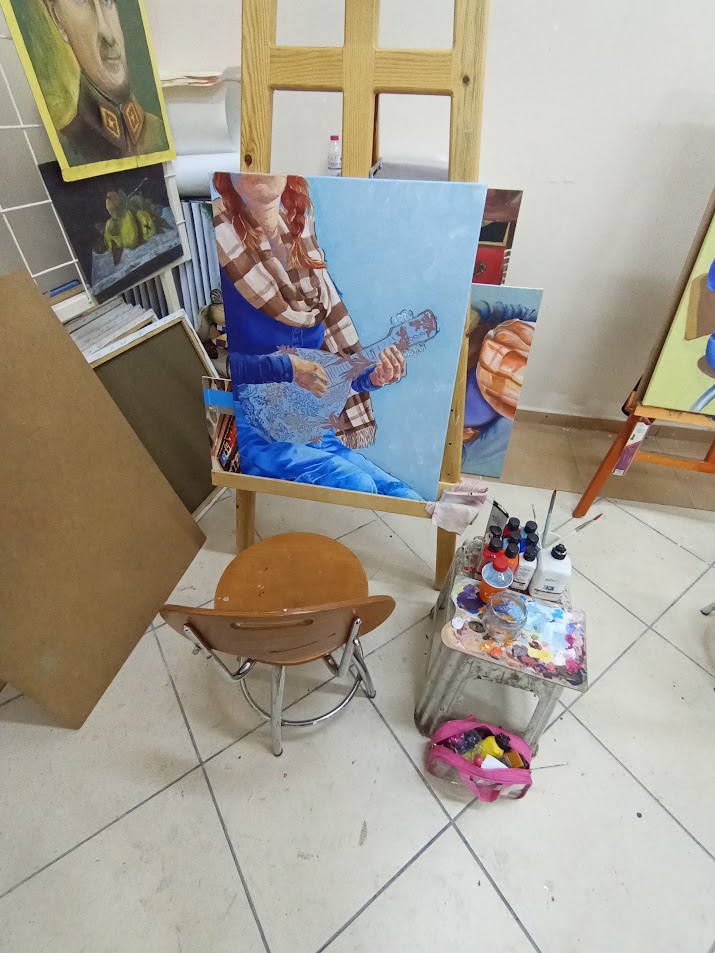
This is the question that confuses buyers most: "Is this an original or a print, and why is the difference so large?" The price gap can be tenfold, and in a photograph the two look almost identical.
But we are talking about three separate things, and what usually gets confused is not two of them but all three. This article explains the difference, what the price actually covers, and what to look for when buying your first piece.
Three separate categories#
Because everything gets called "a painting", the distinction disappears. Yet the three are different.
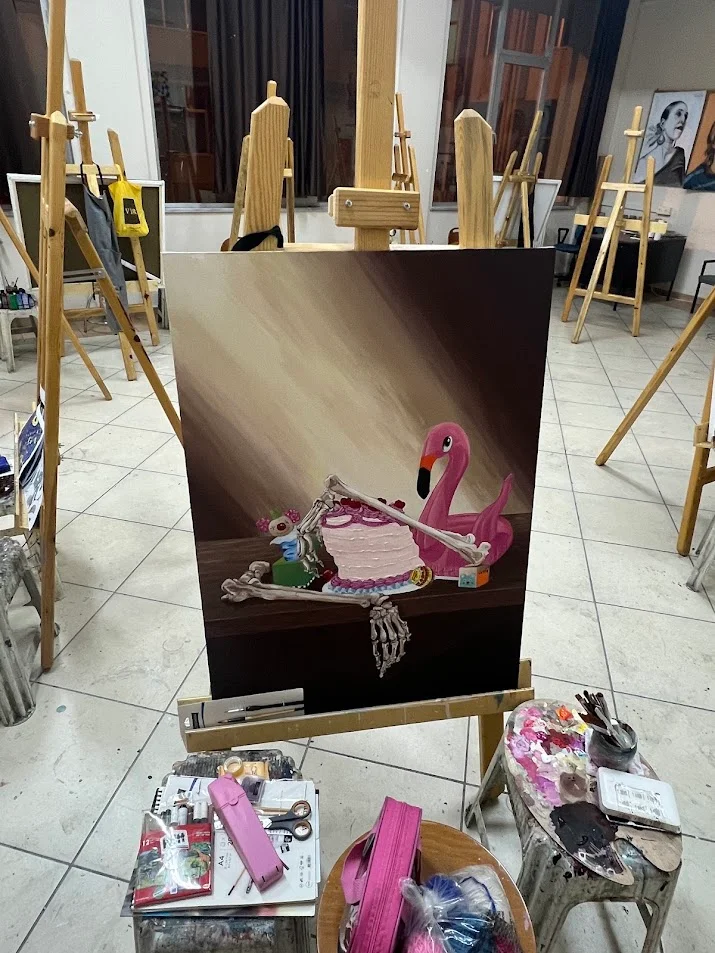
An original is a single work made by the artist's own hand. Paint on canvas, mixed media on paper, a tufted surface. There is no second one. The surface carries marks that cannot be repeated: brushwork, paint thickness, the direction of the yarn.
An original print (etching, screenprint, lithograph) is a limited number of impressions taken from a plate the artist made themselves. Here printing is not a copying method but the technique itself. The artist cuts the plate, chooses the ink, and each impression is pulled by hand and carries small differences. They are usually numbered and signed: 12/50, for instance.
A reproduction is a photograph of an existing work, printed. The artist plays no part in its production; a machine multiplies an image. It can be made in unlimited quantities.
The first two are artworks. The third is a visual product, not a bad thing, but a different thing.
What the price difference covers#
Three things set the price, and none of them is "beauty".
Time and labour come first. An original canvas can take weeks; a tufted surface passes through seven stages. For a reproduction the time is measured in minutes.
Rarity comes second. That is the gap between a single work and an image printed 500 times. In original prints the edition size feeds directly into price: an edition of 20 costs more than an edition of 200.
Materials and lifespan come third. In an original, the quality of canvas, paint, varnish, backing cloth and yarn is what lets the surface survive decades. A reproduction on cheap paper fades within a few years.
Which suits whom#
The honest answer is that all three have a right buyer.
An original makes sense when:
- You plan to live with the piece for a long time
- Its being unique matters to you
- You care about the physical quality of the surface, brushwork, texture, relief
- You want to support an artist directly
An original print is the best bridge between the two:
- When the budget will not stretch to an original but you want a real artwork
- When you want a technique the artist genuinely produced
- When you are starting a collection. Most collections begin with prints
A reproduction is entirely reasonable when:
- The space is temporary
- You specifically want a particular image whose original is unobtainable
- The budget is low and filling the wall is enough
What to check: five questions#
When buying a piece, these are enough:
- Is this unique, an edition, or an unlimited print? If an edition, which number of how many?
- What technique was used? Oil, acrylic, etching, tufting, technique sets both lifespan and price
- What exactly are the dimensions in centimetres? Photographs mislead about scale
- Is it signed and dated? Original prints should also be numbered
- Who is the artist, and what else have they made?
Do not buy from a seller who cannot answer these five. At Peck Art Studio, every piece's page lists its technique, size, year and price, you can see them in the gallery.
On "investment"#
This deserves care.
I cannot offer any guarantee about the financial return of buying art, and you should be sceptical of anyone who does. Whether a work appreciates depends on the artist's career, market movements and a great many unpredictable things.
The healthy approach is this: buy the piece because you will be glad to see it on your wall for years. If it appreciates, that is a bonus. If you are buying purely for appreciation, know that this is a separate discipline requiring expertise.
The only certainty is use value: a surface you look at every day.
Buying from a younger artist#
This is usually the most sensible way to start a collection. The reason is simple: the same budget buys a far better piece, and what you buy belongs to that period of the artist's work.
What to look for:
- Does the artist have a consistent body of work, or is it scattered?
- Have they developed a technique of their own?
- Do the works follow a line?
The Peck Art Studio collection holds both tufted and painted work; you can look at the notable paintings in a separate article.
Where a commission fits#
You could call it a fourth category: a single work made from scratch, for you.
It carries every quality of an original (unique, handmade, unrepeatable) except that you set the subject. The price is built accordingly: on area, technique and detail density. We explained the pricing and how the process runs separately.
The only drawback of a commission is the wait: around 21 days. A finished piece involves no such wait.
How to look after it#
Whichever category you buy from, protection is similar:
- Choose a wall that gets no direct sun. It is the number one cause of fading
- Keep it away from damp walls
- On glazed work, clean the glass and never the surface
- Never apply chemical cleaners to a painted surface
We gathered care for oil paintings and care for tufted surfaces in separate articles.
Getting started#
If this is your first piece, my advice is this: buy not the expensive one but the one you will not tire of looking at. Those are often not the same thing.
The gallery lists technique, size and price for every work. It is also fine to arrive without a size or subject in mind, write what you are looking for through the contact page and we will look together.
How to compare works in the collection#
On the painting collection, consider technique, dimensions, year, price and availability together on each work's page. A piece such as Arta Kalan should be judged by its centimetre measurements and surface description, not by the cover photograph alone. Two works that look similar in a browser may occupy very different areas on a wall.
Sold works may remain in the gallery to show the artist's line of production. Check availability before proceeding. A finished work that is available requires no production wait; packaging, shipping and return details are explained on the delivery and returns page.
If the collection does not contain the dimensions or subject you need, ask about a new work instead of requesting an exact copy. For tufting commissions, dimensions and reference uploads go through the custom order page. You can also view finished textured works in the tufting collection.
For a first purchase, save two or four works within budget and mark their dimensions on the wall with paper tape. Then browse the paintings currently available and choose the surface you want to keep seeing.
Frequently Asked Questions
What is the difference between an original and an etching?
An original is a single work made by the artist's own hand. Original prints such as etchings are a limited number of impressions from a plate the artist made themselves; here printing is the technique, not a copying method. They are usually numbered and signed.
Does a reproduction count as an artwork?
It is a different category. A reproduction is a photograph of an existing work, printed; the artist plays no part in producing it and it can be made in unlimited quantities. That does not make it bad, but it is not the same as an original or an original print.
What should I check when buying a piece?
Five things: whether it is unique or an edition (and which number of how many), the technique, the exact dimensions, whether it is signed and dated, and who the artist is. Do not buy from a seller who cannot answer these.
Is art an investment?
No guarantee can be given, and you should be sceptical of anyone who offers one. Whether a work appreciates depends on the artist's career, market movements and much that is unpredictable. The healthy approach is to buy it because you will enjoy it for years; appreciation is a bonus.
Does a commissioned piece count as an original?
Yes. It carries every quality of an original , unique, handmade, unrepeatable , with the difference that you set the subject. The price is calculated on area, technique and detail density; the only drawback is the wait of around 21 days.