Buying Art
Ten Questions to Ask Before Buying a Painting
The answers you should have before paying for a work. Most sellers will not volunteer them, but few will hide them if you ask.
Updated:
Buying a painting is an unusual purchase. There is no second example to compare with and no list price behind the tag. Asking questions is the only method.
The ones below are short and can be put directly to the seller.
1. Is this an original or a print?#
The most basic question, and surprisingly often skipped. An original is unique. A print is a reproduction, and if the edition is limited it carries a number.
The difference is also the basis of the price.
2. What technique, and on what surface?#
Acrylic, oil, mixed media? Canvas, paper, wood?
This decides the care. A work on paper has to go behind glass; acrylic on canvas does not.
3. What are the actual dimensions?#
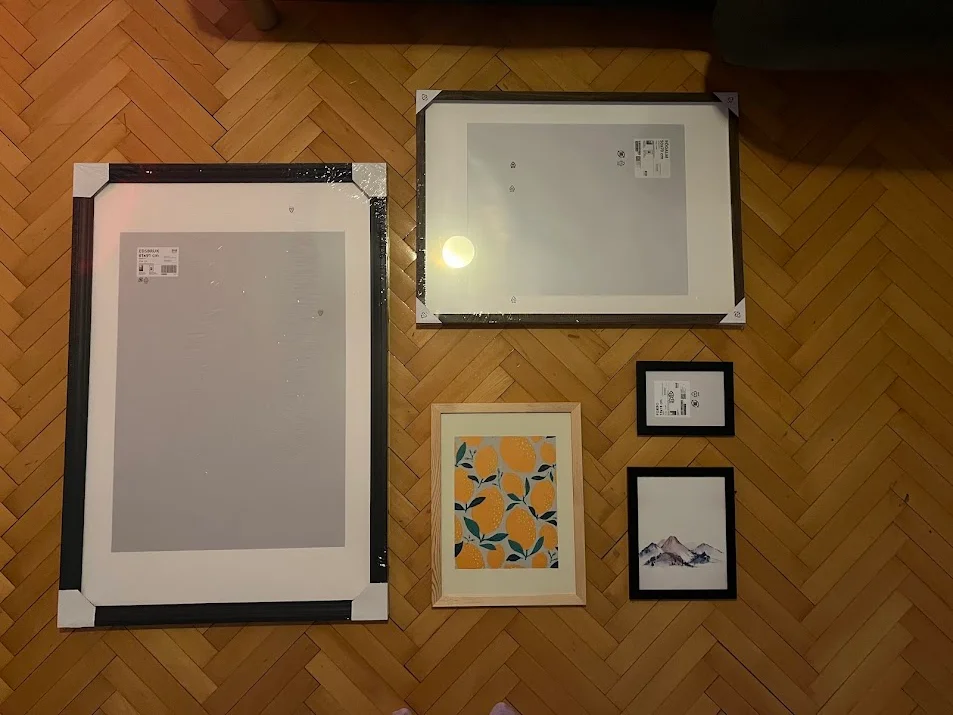
Height and width in centimetres. If it is framed, ask for the framed size separately; that is the figure you will do your wall arithmetic with.
4. Does it come framed?#
Framing an unframed work afterwards is a serious extra cost. It belongs in your assessment of the price.
5. When was it made?#
The year is both a record and an indication of which period of the artist's work it belongs to. If no date can be given, that is a question mark.
6. Is it signed, and where?#
Signatures usually sit in a lower corner on the front, or on the back. An unsigned work can be sold, but proving provenance later becomes harder.
7. Is a certificate of authenticity provided?#
A document signed by the artist giving the title, size, technique and date. What that certificate is is a subject of its own. Not having one need not stop you, but you should ask.
8. Will I get an invoice?#
An invoice is the basis of both your consumer rights and any future proof of provenance. A sale without one leaves you with nothing if something goes wrong.
9. How is it packed and shipped?#
Transporting art needs proper packing: corner protection, a rigid outer box and a moisture barrier. Asking how the seller handles it improves the odds of the work arriving intact.
10. Can I return it?#
In distance selling you have 14 days from delivery to withdraw. Ask who pays return shipping too; the regulation puts it on the seller, but practice varies.
One question not to ask#
"Will this gain value?" An honest seller cannot know and will say so. A confident yes is a warning sign. A realistic view of value is covered separately.
If you cannot get answers#
A seller should have all ten answers to hand. If you get evasive replies, if dimensions cannot be given, or if there is hesitation about an invoice, walk away.
Most of these answers are already written on the page of every work in the collection, and there is a direct line to the artist on each one for the rest.
Frequently Asked Questions
Is a certificate of authenticity essential when buying?
Not a legal requirement, but good to have. A document signed by the artist giving title, size, technique and date makes proving provenance easier later. It is not a reason to refuse a work, but you should ask.
Can I return a painting bought online?
Yes. In distance selling you have 14 days from delivery to withdraw, without giving a reason. The refund is due within 14 days of the seller receiving your notice. Under the regulation, return shipping is the seller's cost.
Should I buy an unsigned painting?
You can, but proving provenance later is harder. Some artists sign only the back so as not to disturb the front, which is normal. If there is no signature at all, make sure there is at least an invoice and a certificate.
Is a seller saying "this will gain value" reliable?
No, it is a warning sign. Nobody can know a work will rise in value; that depends on the artist's career advancing institutionally, which cannot be predicted. An honest seller will say they do not know.