Buying Art
Buying a Painting Directly from the Artist: Upsides and Cautions
With no gallery in between the price drops, but so does the filter. What you gain buying direct, and what to watch for.
Updated:
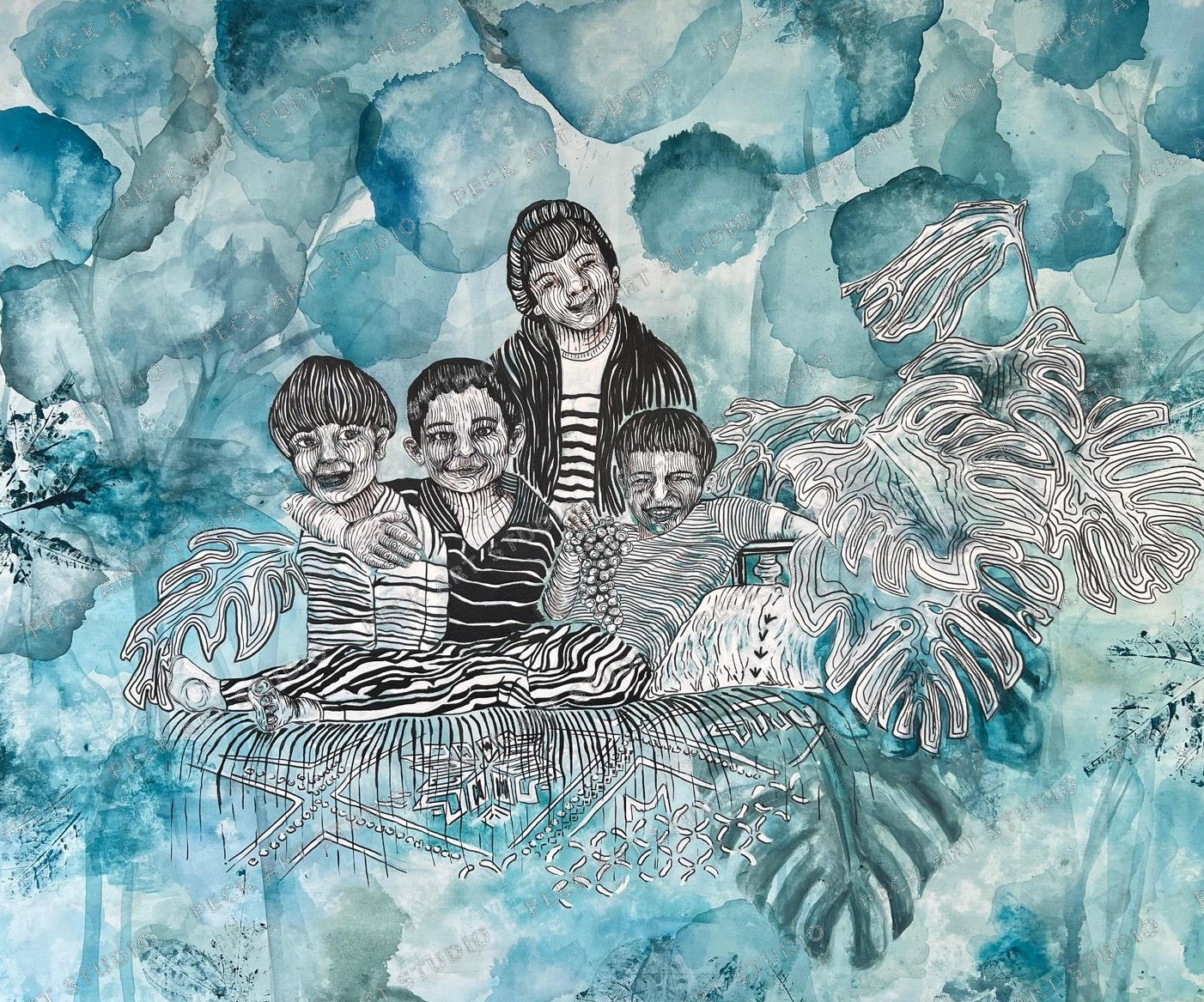
Buying a work from an artist's own site or studio is far more common than it was a few years ago. The reason is simple: artists can now build their own sales channels.
This route gives you some things and takes away others.
Where the price difference comes from#
Gallery commission in Turkey generally runs between 40 and 50 per cent. On a work sold for 20,000 lira, that is 8,000 to 10,000 going to the intermediary.
Buying direct, that line does not exist. Either the work is priced lower, or the artist sells at the same price and is fully paid for their labour. Neither is bad for the buyer; the second makes it more likely the artist keeps working.
Access to the story#
What you pay for is not only a surface. Why it was made, which period it comes from, what it was made with, all of that is part of the work.
In a gallery that information is usually compressed into a label. Buying direct, you can ask the artist and get the answer from them. It is also what you will tell someone who visits your home years later.
Commissions are possible#
If the size or palette you want is not in the collection, a gallery cannot help. An artist can.
Commissioned work is the most concrete advantage of a direct relationship. You share your wall size, the colours of the room and the feeling you have in mind, and the piece is built from there.
What you lose: the filter#
A gallery makes a selection. It has a line, it does not take everything offered, and it stands behind the artists it represents.
Buying direct, that filter is gone and the judgement is yours. Not necessarily a disadvantage, but it asks for some time: look at the artist's other work, see whether there is consistency in what they make, and check any exhibition history.
Six things to look for#
An artist selling directly should have these in place.
- An invoice is issued
- A certificate of authenticity is provided
- Payment goes through a secure provider rather than a bank transfer to a personal account
- Size, technique and year are clearly stated
- A distance sales contract and the 14-day right of withdrawal are honoured
- The work is packed properly for art transit
With all six, buying direct carries no more risk than a gallery. Each one missing is risk you are taking on.
On haggling#
Price can be discussed in a direct relationship, but within reason. A work's price follows its size, technique and the hours it took; pushing it down cuts into the artist's hourly labour.
A more productive route is to state your budget and ask what exists in that range. Most artists work in several sizes, and a small original beats a large print.
Visiting the studio#
See the work in person if you can. Surface texture, paint thickness and true scale do not fully come through in a photograph.
If a visit is not possible, ask for detail shots: one from the edge, one close to the surface, and one with the work beside a person or a familiar object. Together those give a good sense of scale and texture.
The works here are sold directly by the artist. Each page states size, technique and price, and there is a direct line for questions.
Frequently Asked Questions
Is buying directly from the artist really cheaper?
Usually yes, because the 40 to 50 per cent gallery commission does not apply. Some artists keep the gallery price and take the difference themselves, which is legitimate. Either way the buyer is not paying an intermediary.
Can you negotiate price with an artist?
It can be discussed, but within reason; price follows size, technique and hours. A more productive approach is to state your budget and ask what exists in that range. Most artists work in several sizes.
What should I ask for before buying unseen?
Ask for three photographs: one from the edge, one very close to the surface, and one with the work next to a person or a familiar object. Together they give a good sense of thickness, texture and true scale.
Is paying by bank transfer a problem?
Risky. A transfer to a personal account gives weak consumer protection and leaves you without a record in a dispute. Payment through a secure provider gives both a record and a route to dispute. Be careful with a seller who accepts only transfers.